AI Chemistry Grader
AI Chemistry Grader for Lab Reports, Equations & Mechanisms
Graidable reads handwritten and typed chemistry work, scores it against your rubric and drafts feedback for each criterion, with the evidence marked on the student’s page.
Use it for stoichiometry, equilibrium, reaction mechanisms and lab reports. You review every suggestion and decide every final score.
- Understands handwritten equations, reaction mechanisms, diagrams and data tables.
- Suggests rubric-aligned scores with partial credit for multi-step chemistry reasoning.
- You review and approve every grade; nothing is final before that.
What an AI chemistry grader should do
The best chemistry grader evaluates more than final answers. It checks setup, methodology, calculations, and scientific communication against your rubric.
- Gives you a first draft of points and feedback for every student, following your rubric.
- Keeps scoring consistent across multi-step problems, mechanisms, and lab narratives.
- Understands calculations, reaction mechanisms, diagrams, spectra, graphs and data tables.
Why chemistry is harder to grade than essays
Chemistry work mixes math, mechanisms, lab methods and safety reasoning. That makes turnaround slow and variance high if you grade by hand.
- Multi-step calculations (stoichiometry, equilibrium, titrations) need partial credit and error-tracking.
- Reaction mechanisms, organic syntheses, and arrow-pushing are visual and easy to misinterpret.
- Lab reports include data tables, graphs, procedural accuracy, and sources of error that demand consistent rubrics.
- Safety and compliance checkpoints must be flagged reliably, not missed in a stack of reports.
How Graidable grades chemistry
The AI drafts points and feedback; you check them and decide.
- Understands handwritten and typed chemistry, including equations, subscripts, superscripts, diagrams and labels.
- Grades stoichiometry, equilibrium, thermodynamics, kinetics and other calculation questions with method-aware partial credit.
- Handles short-answer conceptual prompts (bonding, periodic trends, acid-base, redox) with rubric-aligned feedback.
- Evaluates lab reports: method, data quality, graphs, analysis, sources of error, and safety rationale.
- You define the rubric; Graidable proposes marks and inline feedback for each criterion.
- Every suggestion is yours to approve, edit or override.
Rubric example for chemistry grading
A practical 10-point structure you can adapt for lab reports and multi-step chemistry questions.
Chemical setup & method (2 pts)
Did the student choose the right approach, formulas, and reaction pathway?
Calculations & mechanism execution (4 pts)
Are balancing, stoichiometric steps, and mechanism steps valid and complete?
Interpretation & scientific reasoning (2 pts)
Are conclusions supported by data, trends, and chemistry concepts?
Lab communication & safety clarity (2 pts)
Is the response clearly structured with proper units, notation, and safety rationale?
Worked example: where chemistry partial credit is awarded
Prompt
Balance a combustion reaction and calculate theoretical yield from given reactants.
Student work
Student identifies the reaction type and sets up mole conversions correctly but uses an incorrect stoichiometric ratio in the final conversion.
AI feedback summary
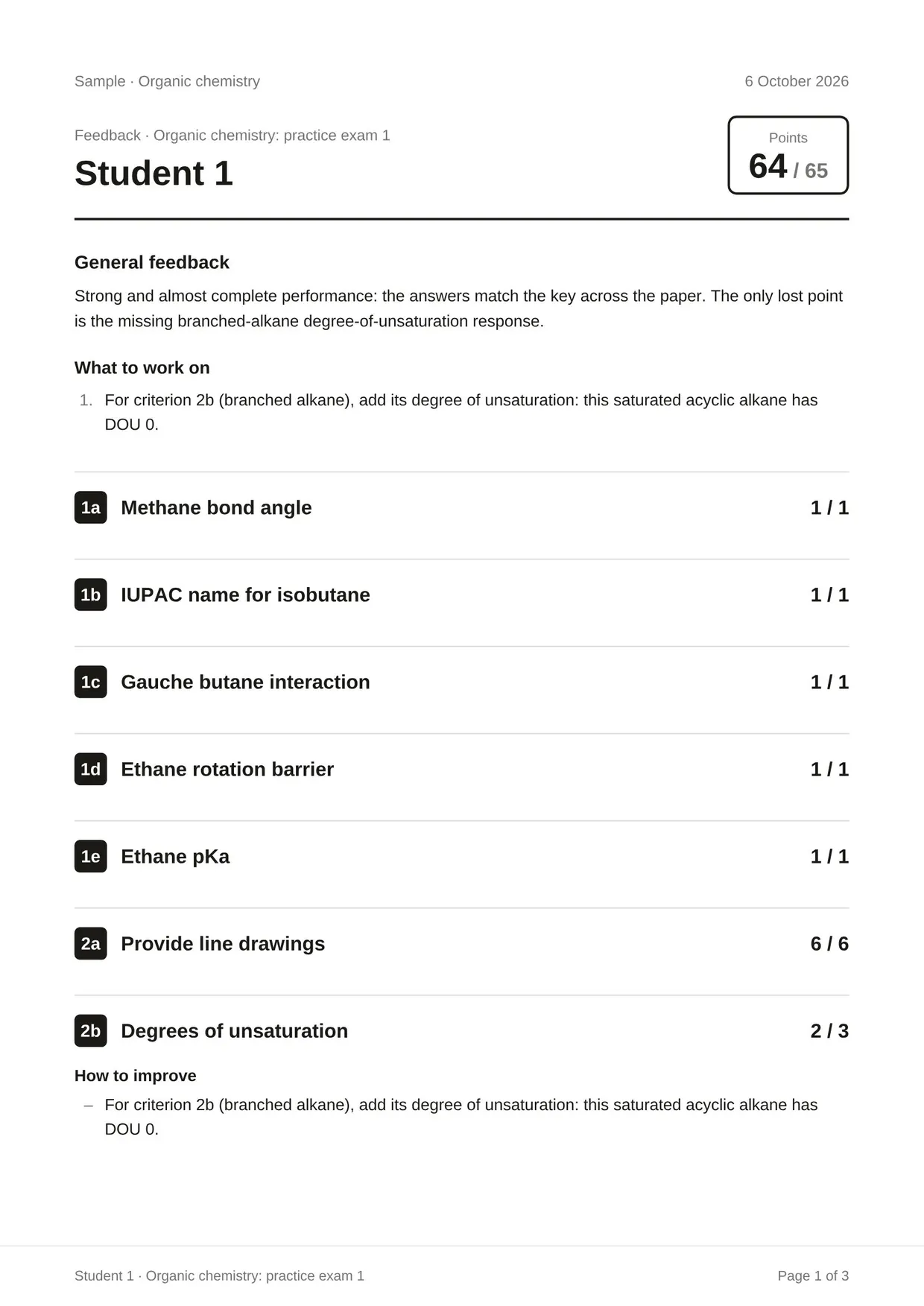
Method setup earns credit. Ratio error in the conversion step reduces execution points. Final value is incorrect, but analysis notes show partial understanding. Revision tip: recompute the mole-to-mole ratio from the balanced equation.
S1
Student 1
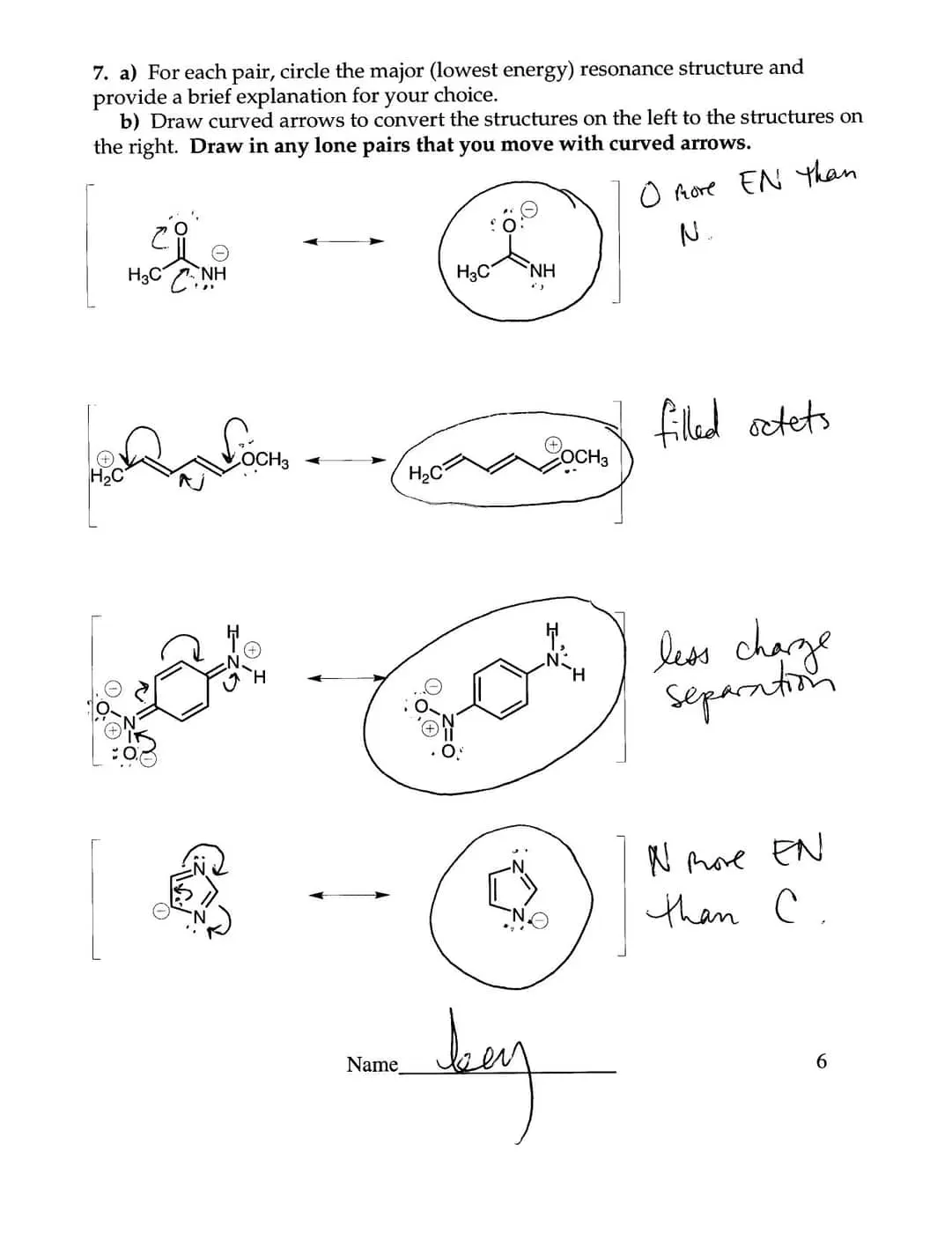
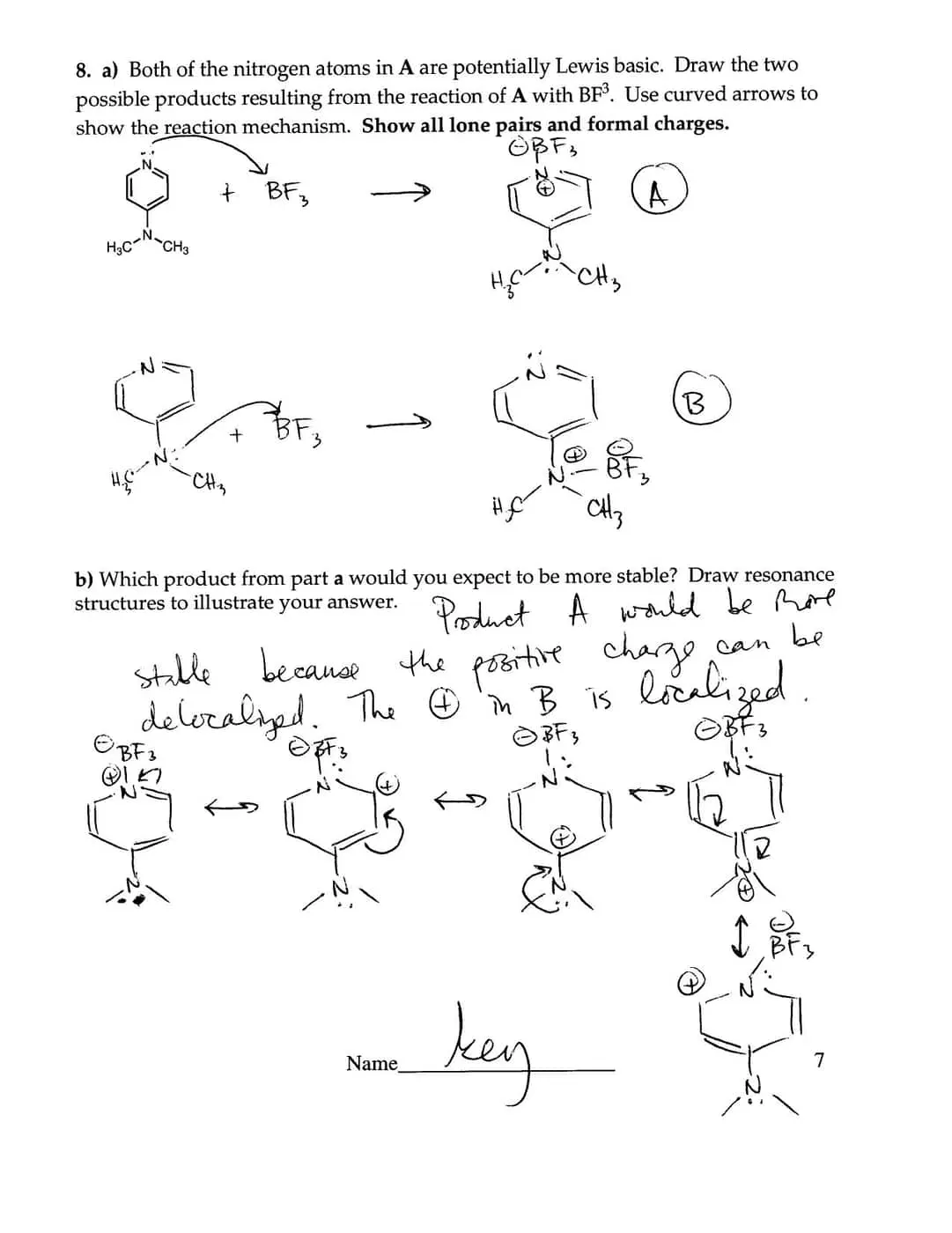
Organic chemistry: practice exam 1
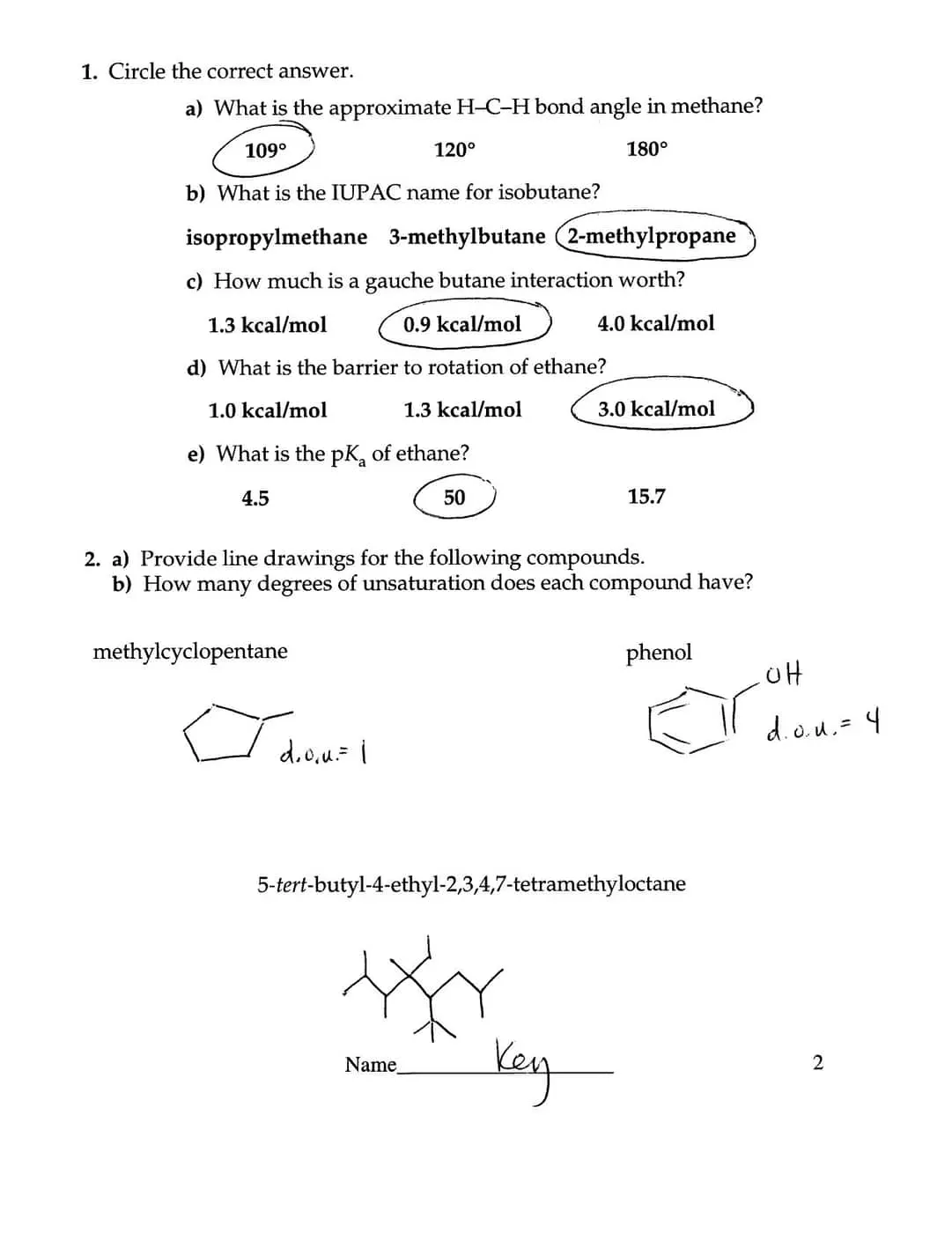
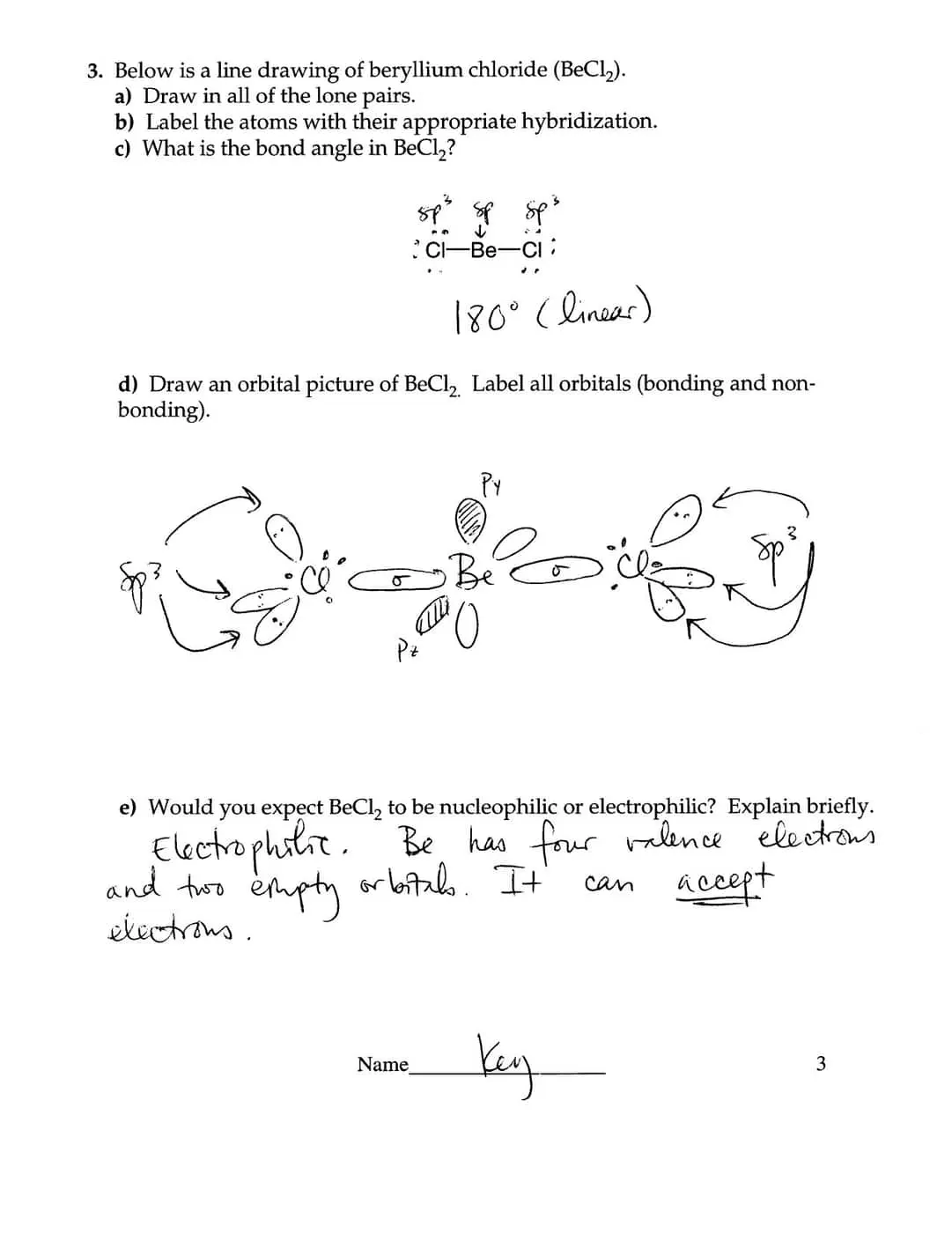
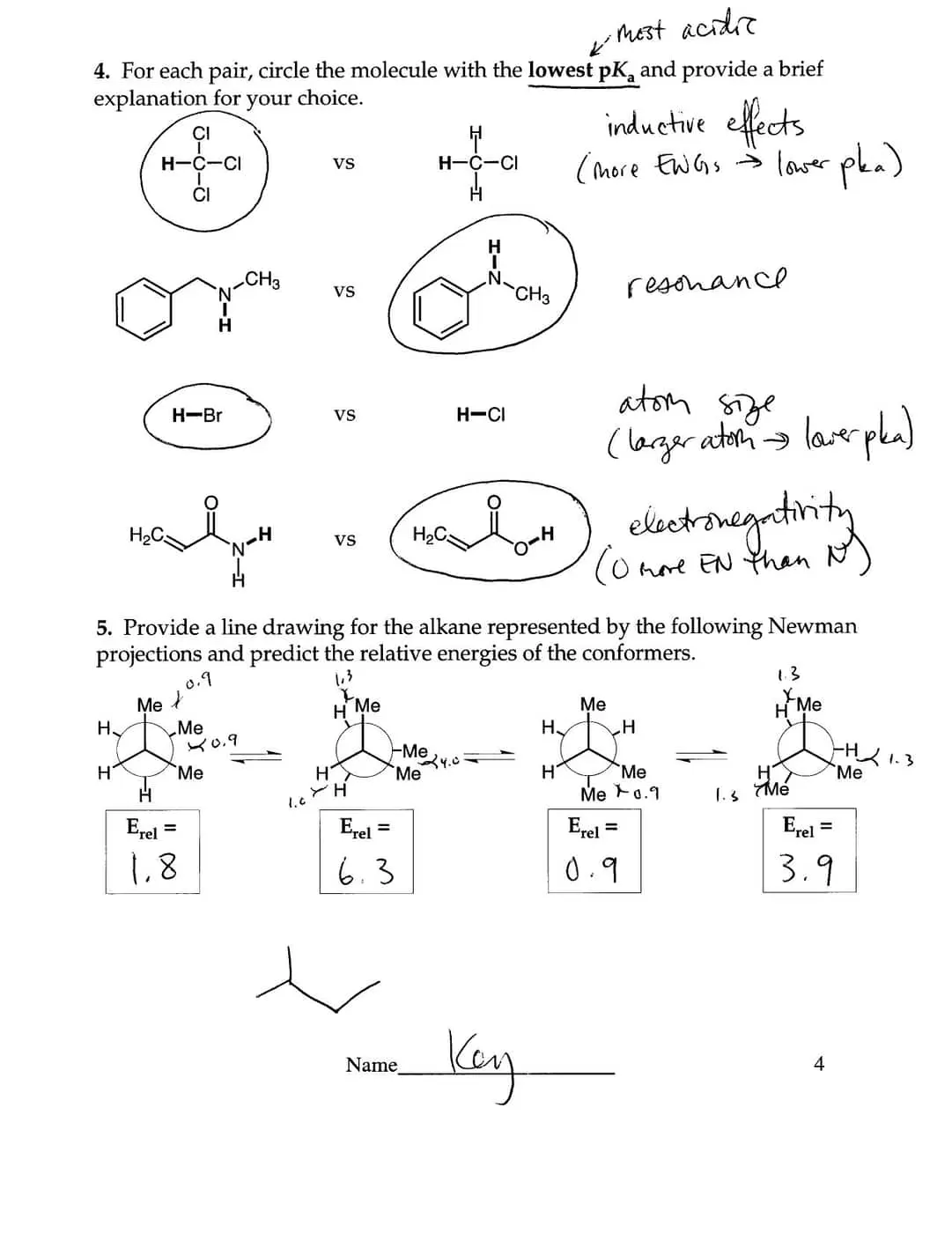
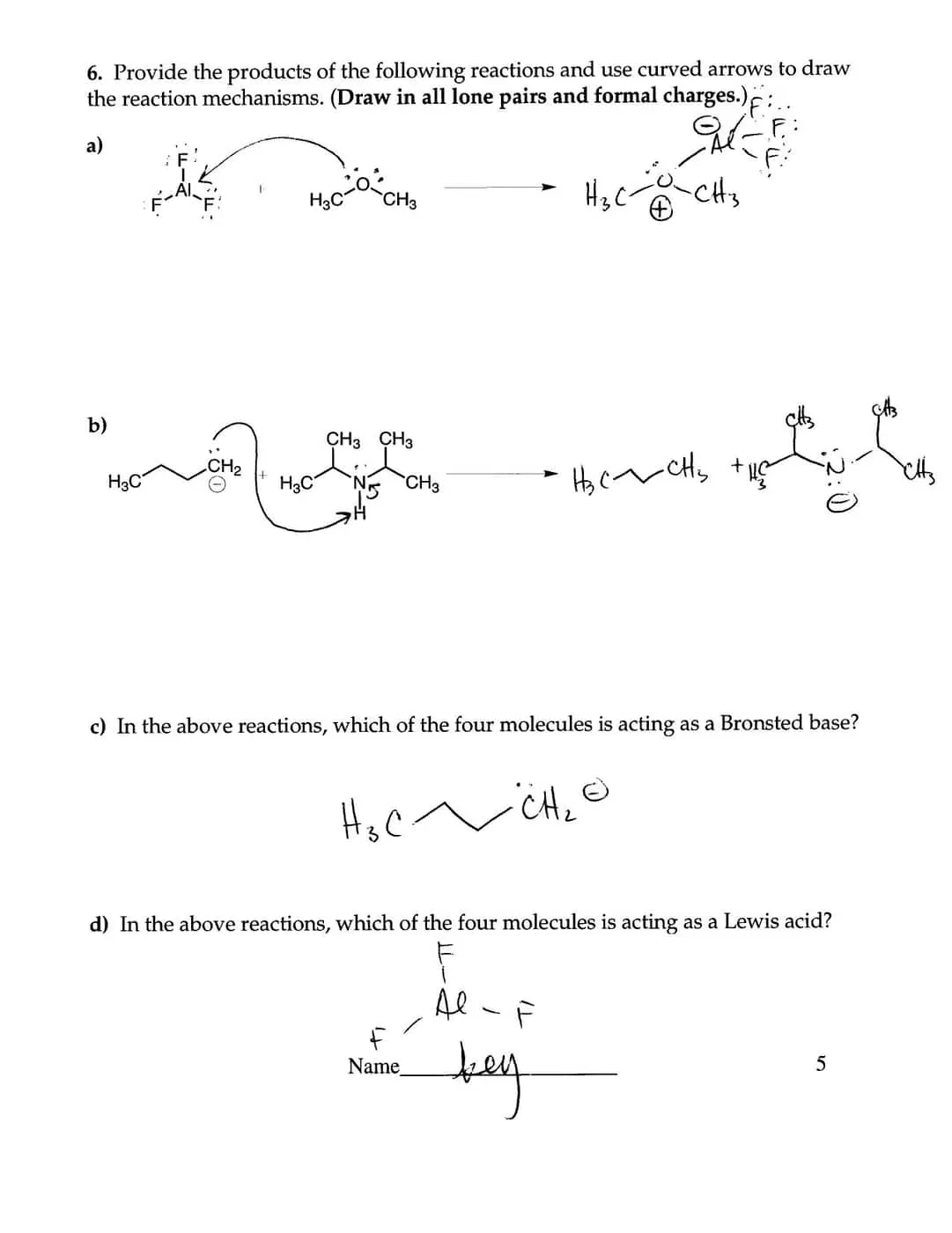
1
Circle the correct answer
Methane bond angle
109°
IUPAC name for isobutane
2-methylpropane
Gauche butane interaction
0.9 kcal/mol
Ethane rotation barrier
3.0 kcal/mol
Ethane pKa
50
S1
Student 1
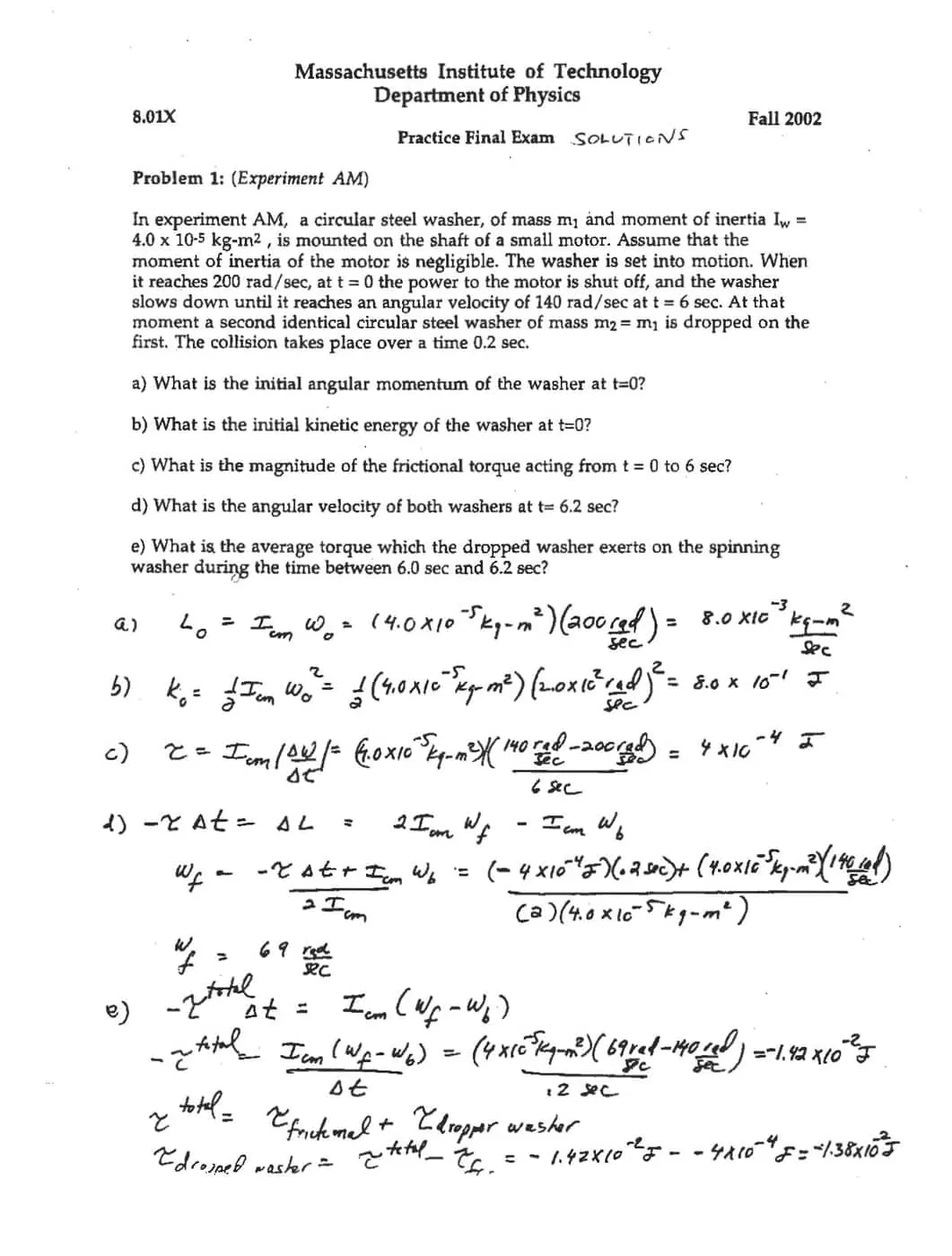
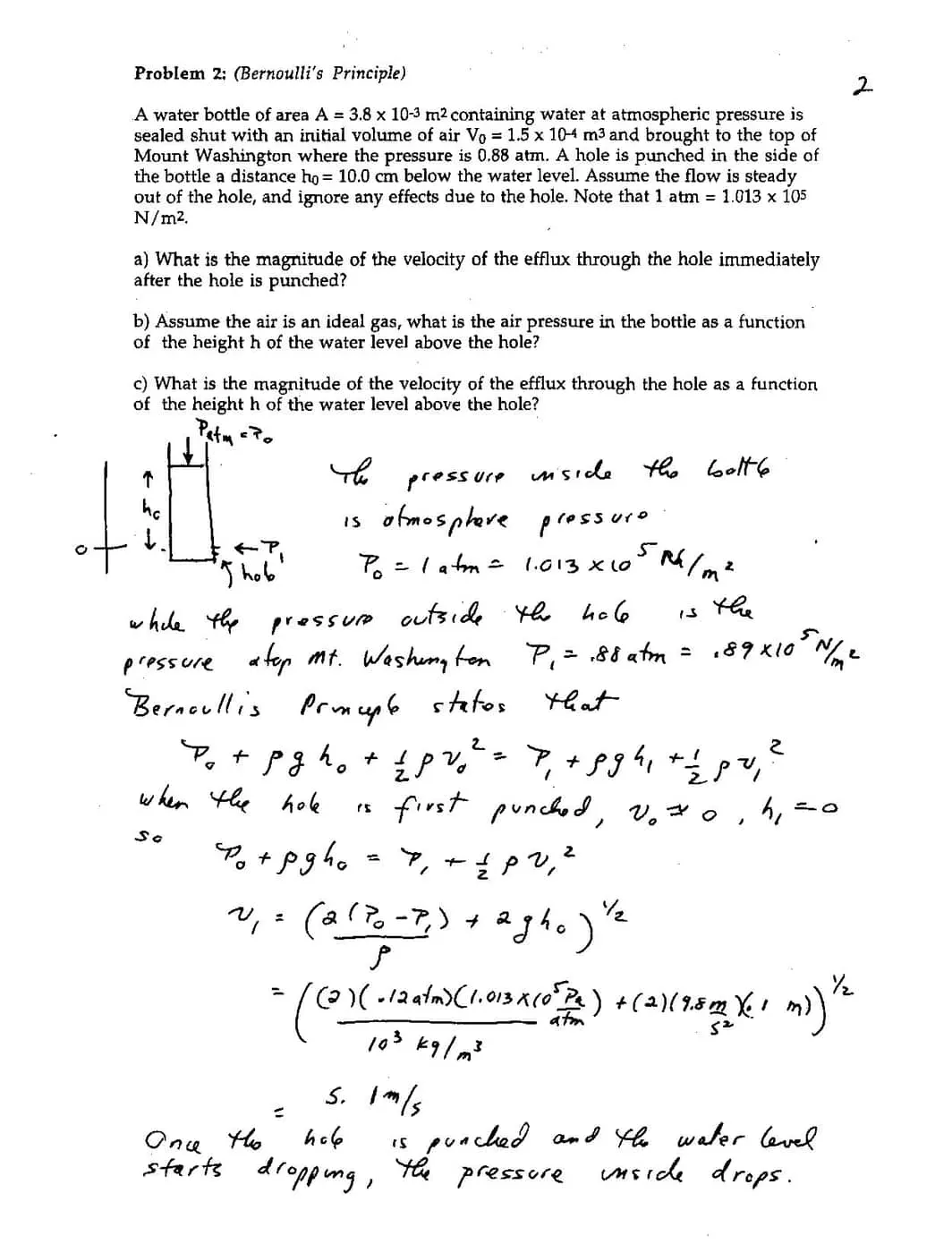
Classical mechanics: practice final exam
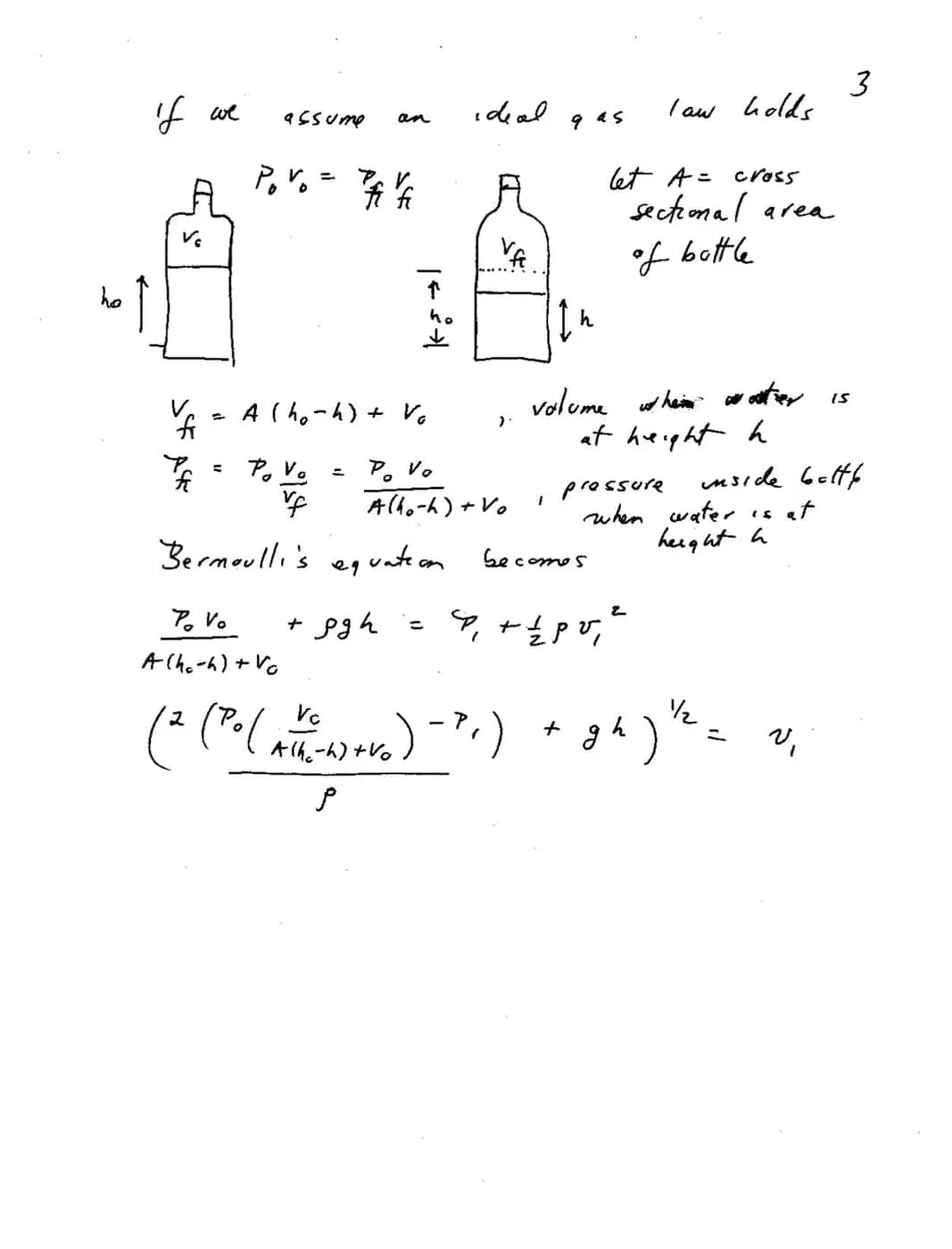
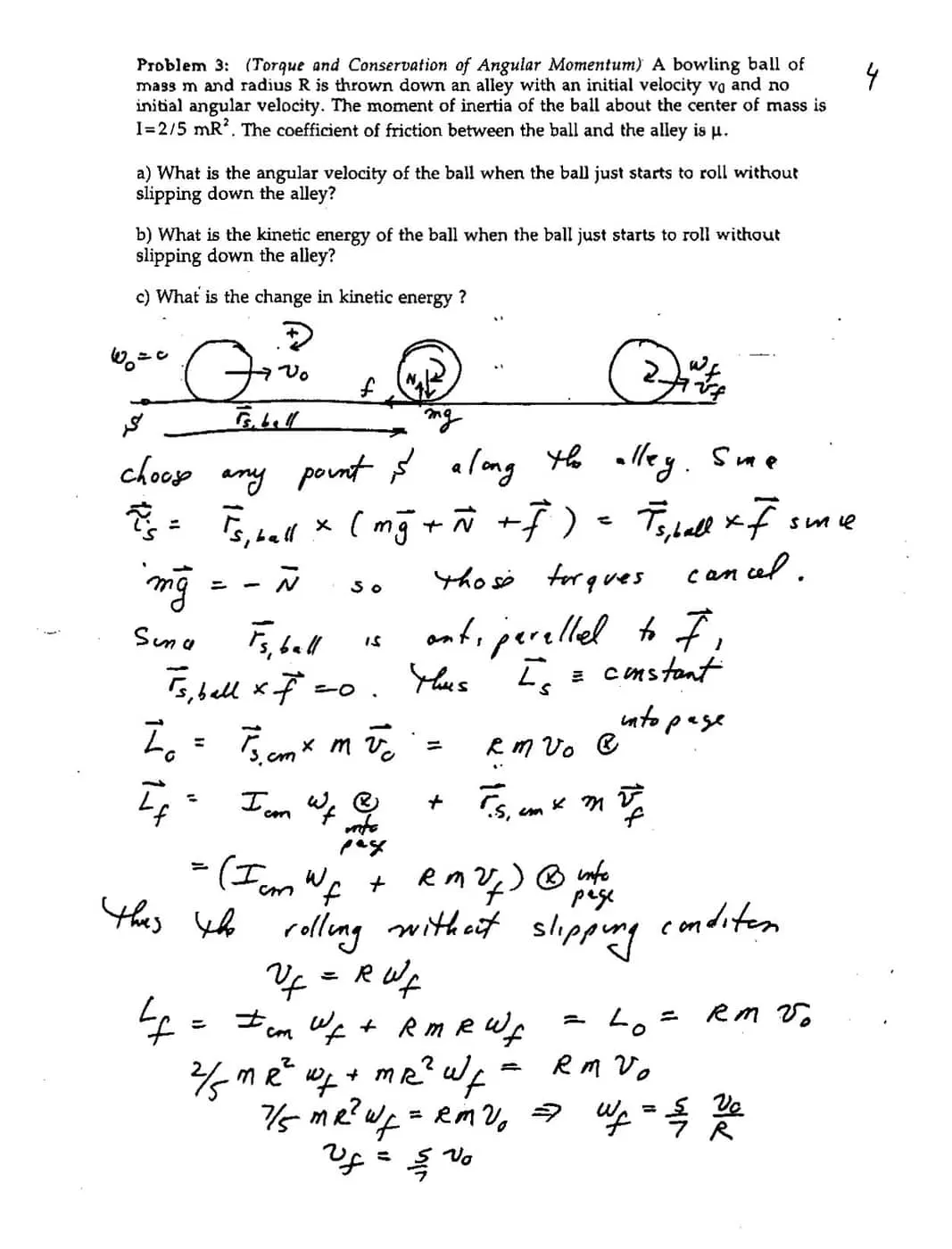
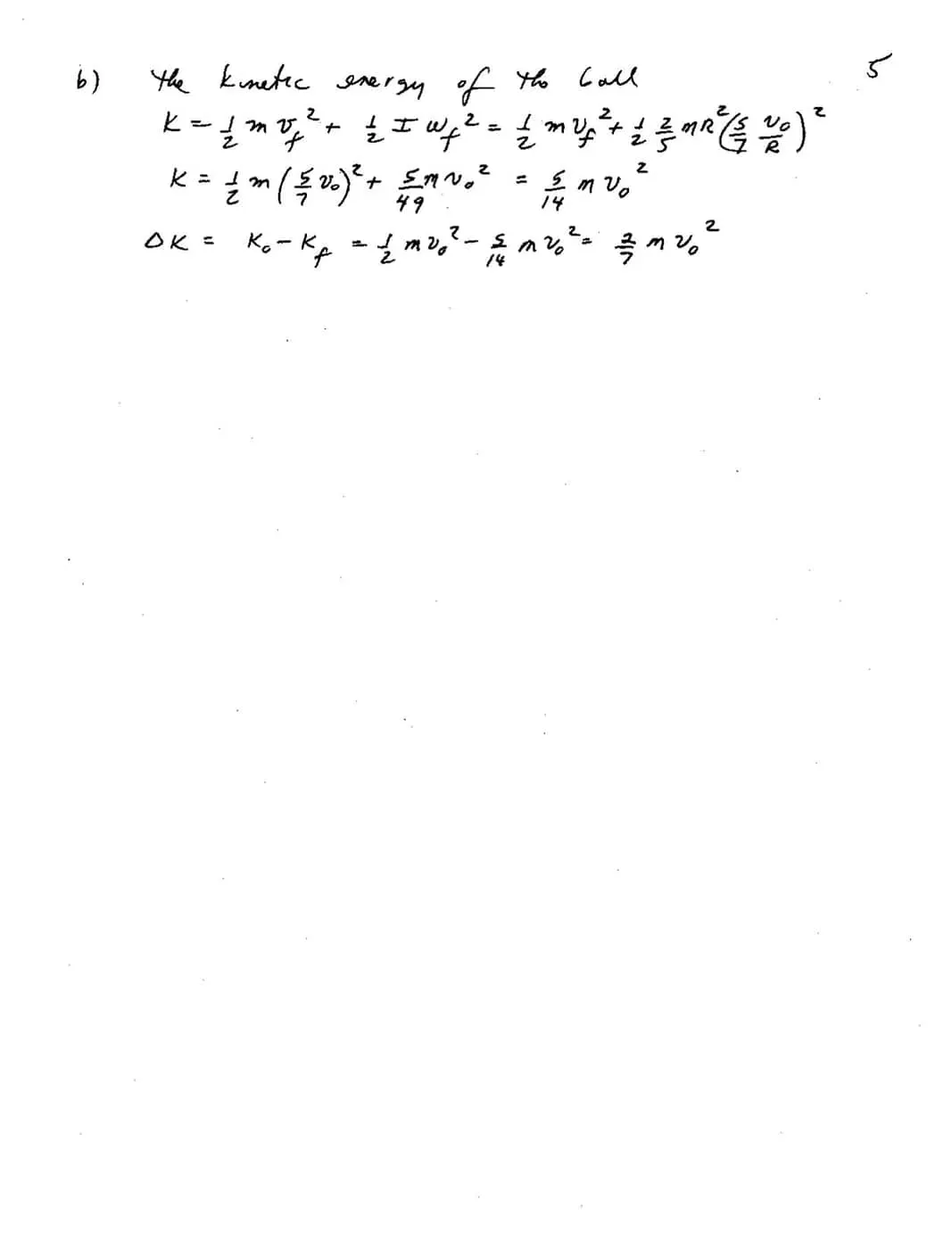
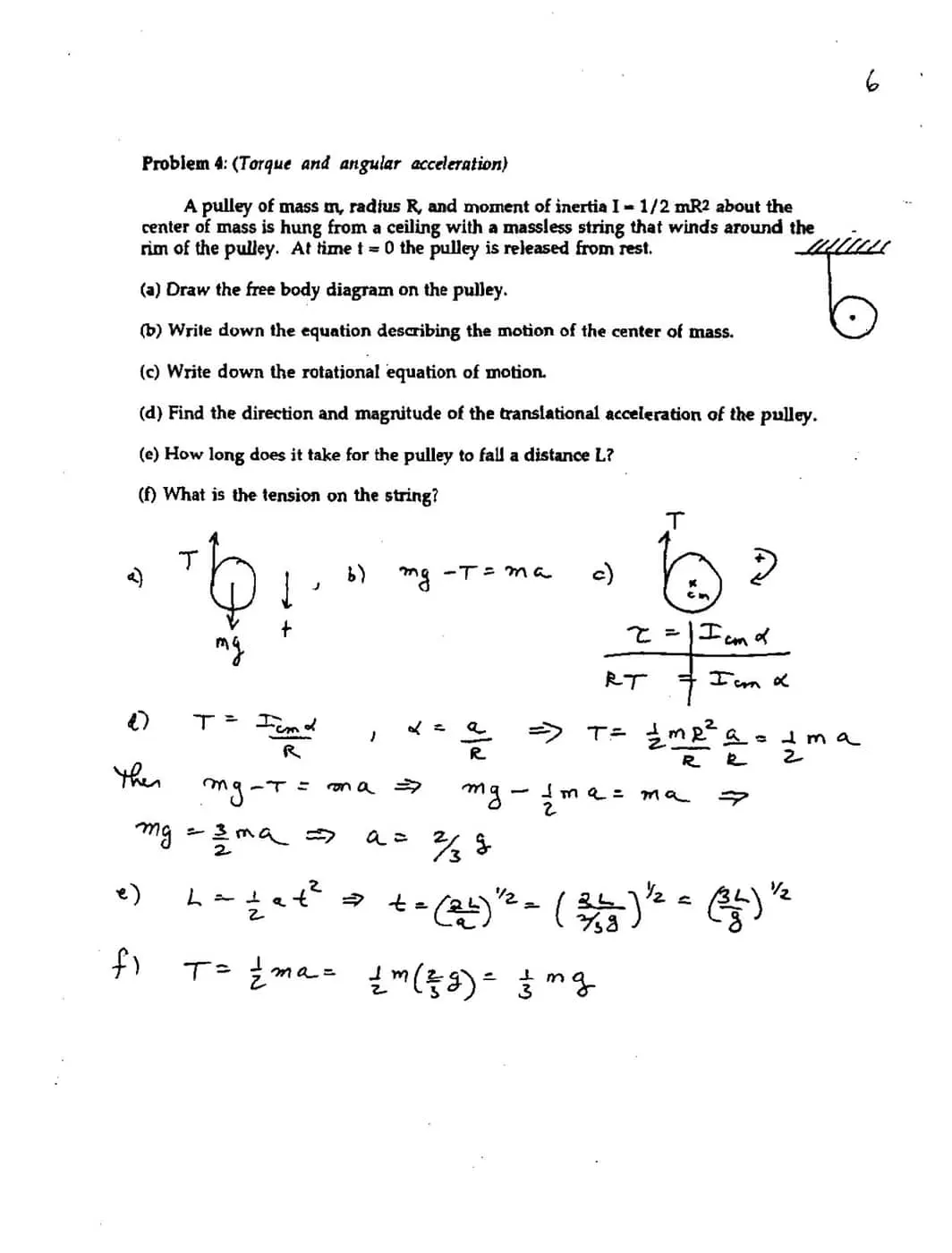
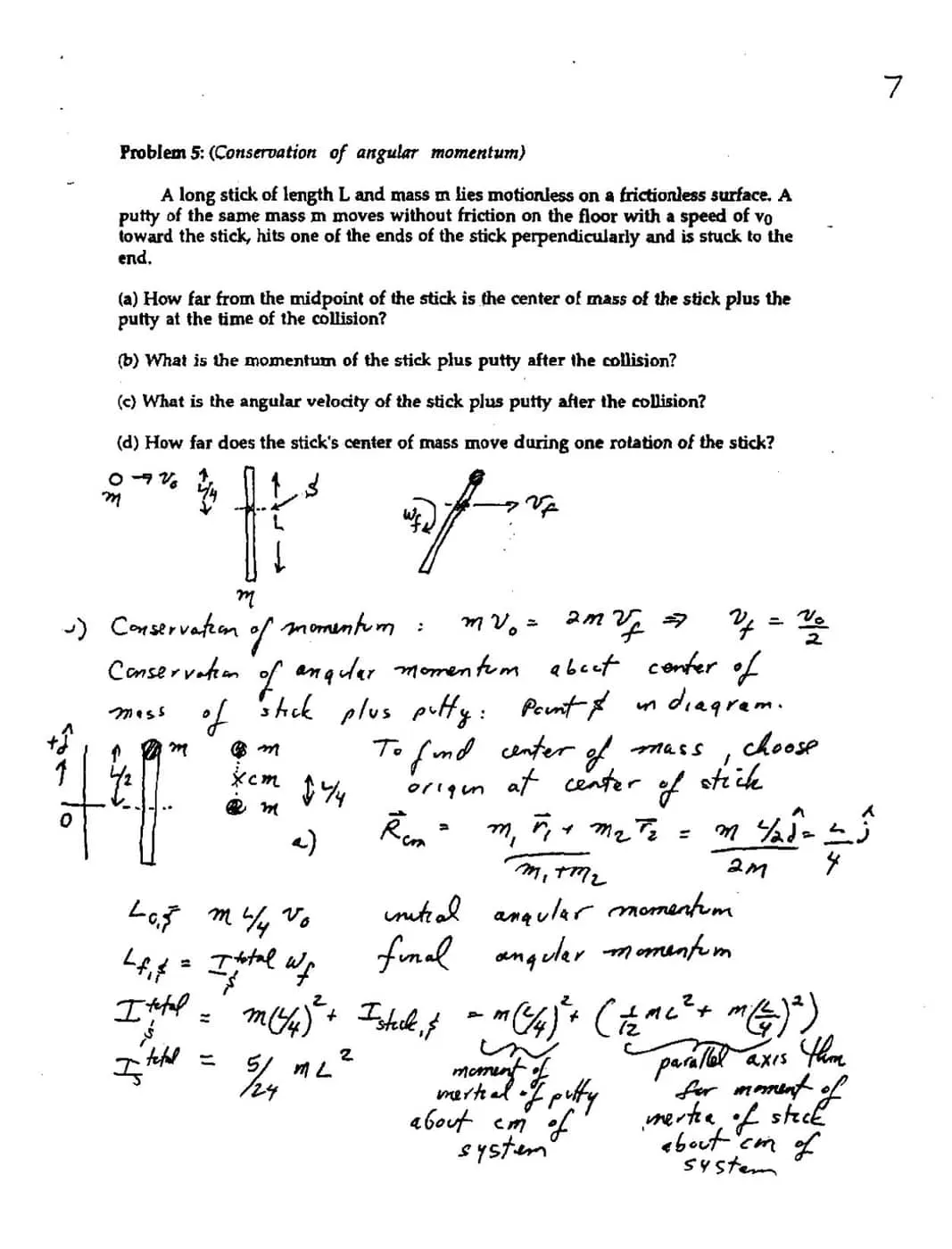
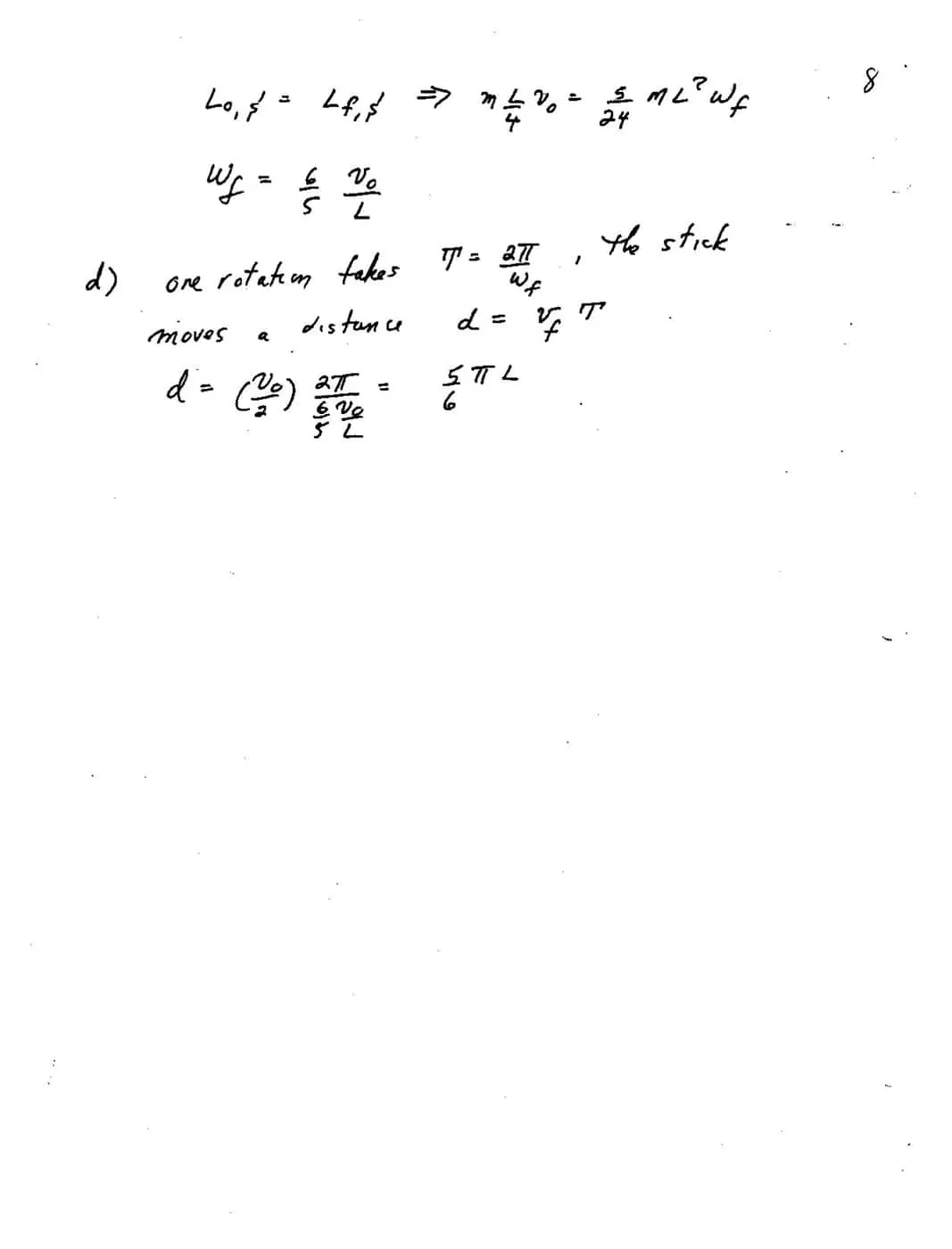
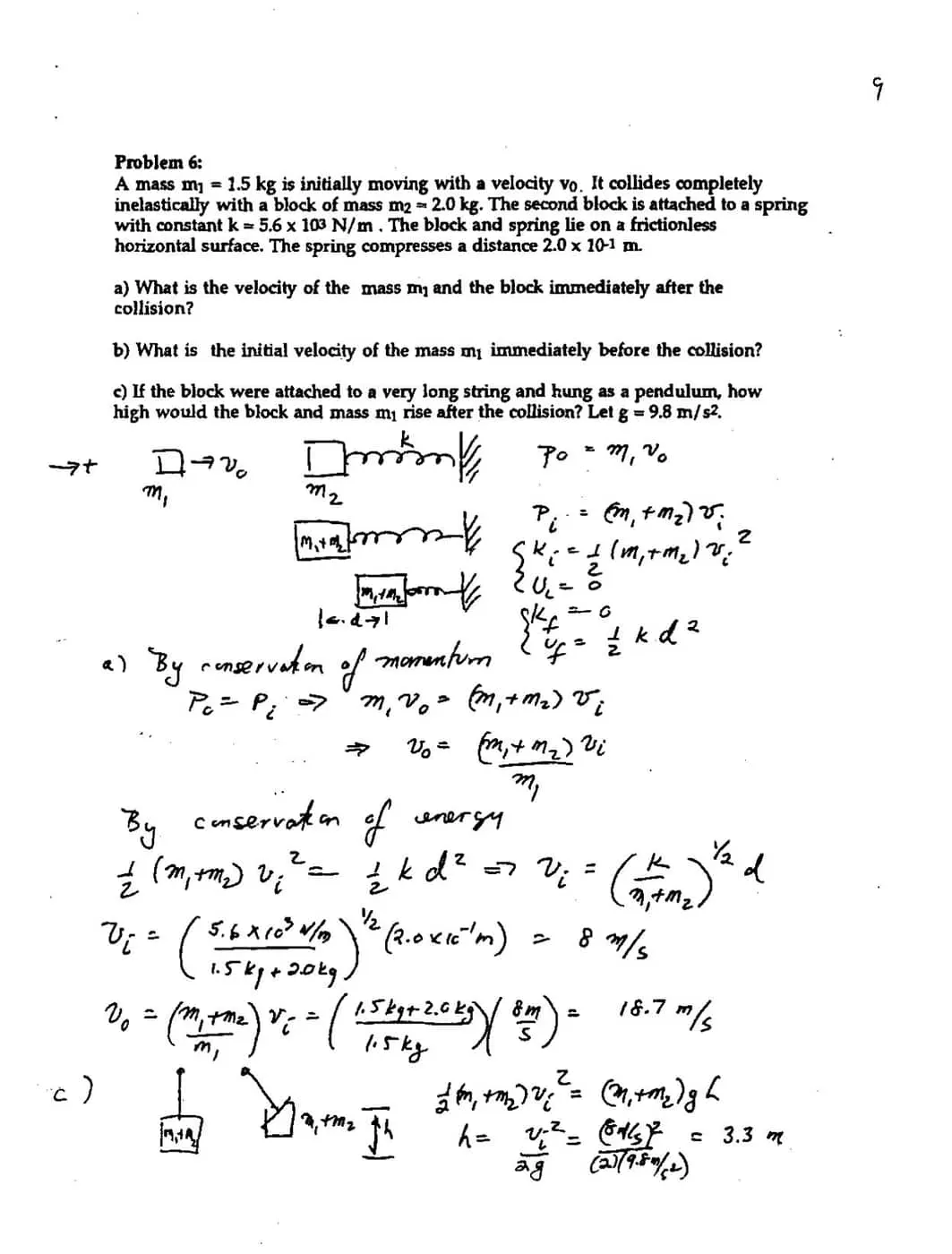
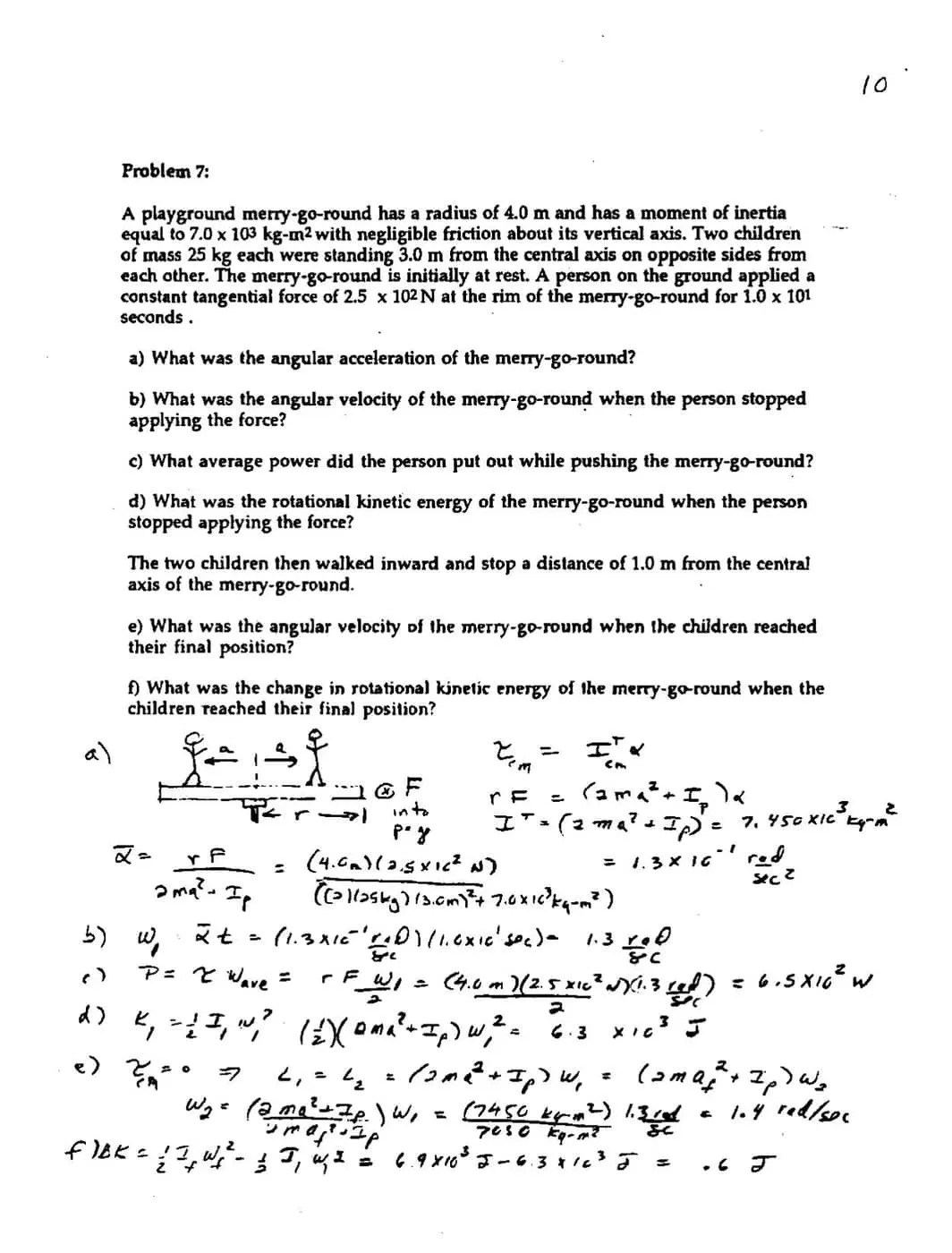
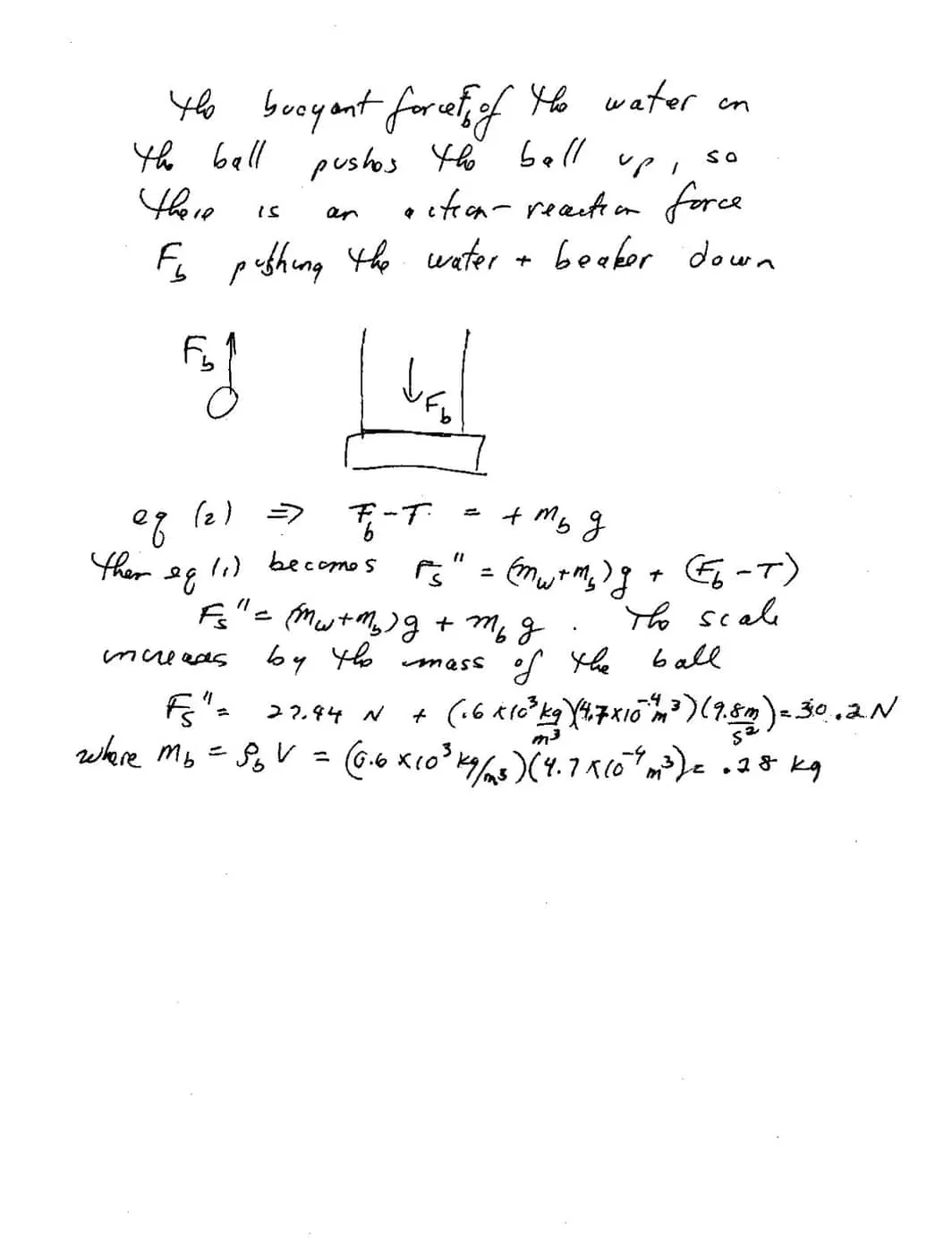
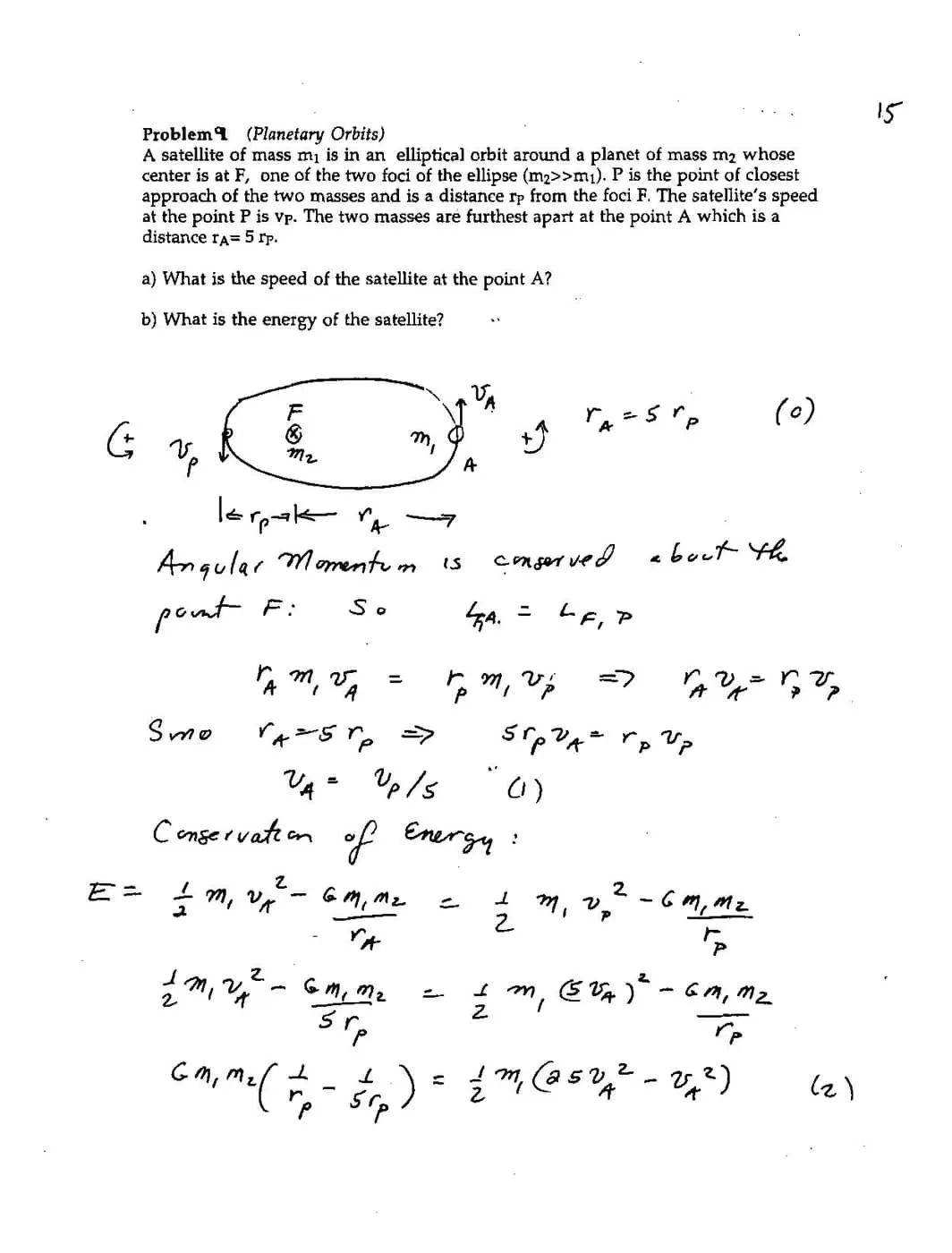
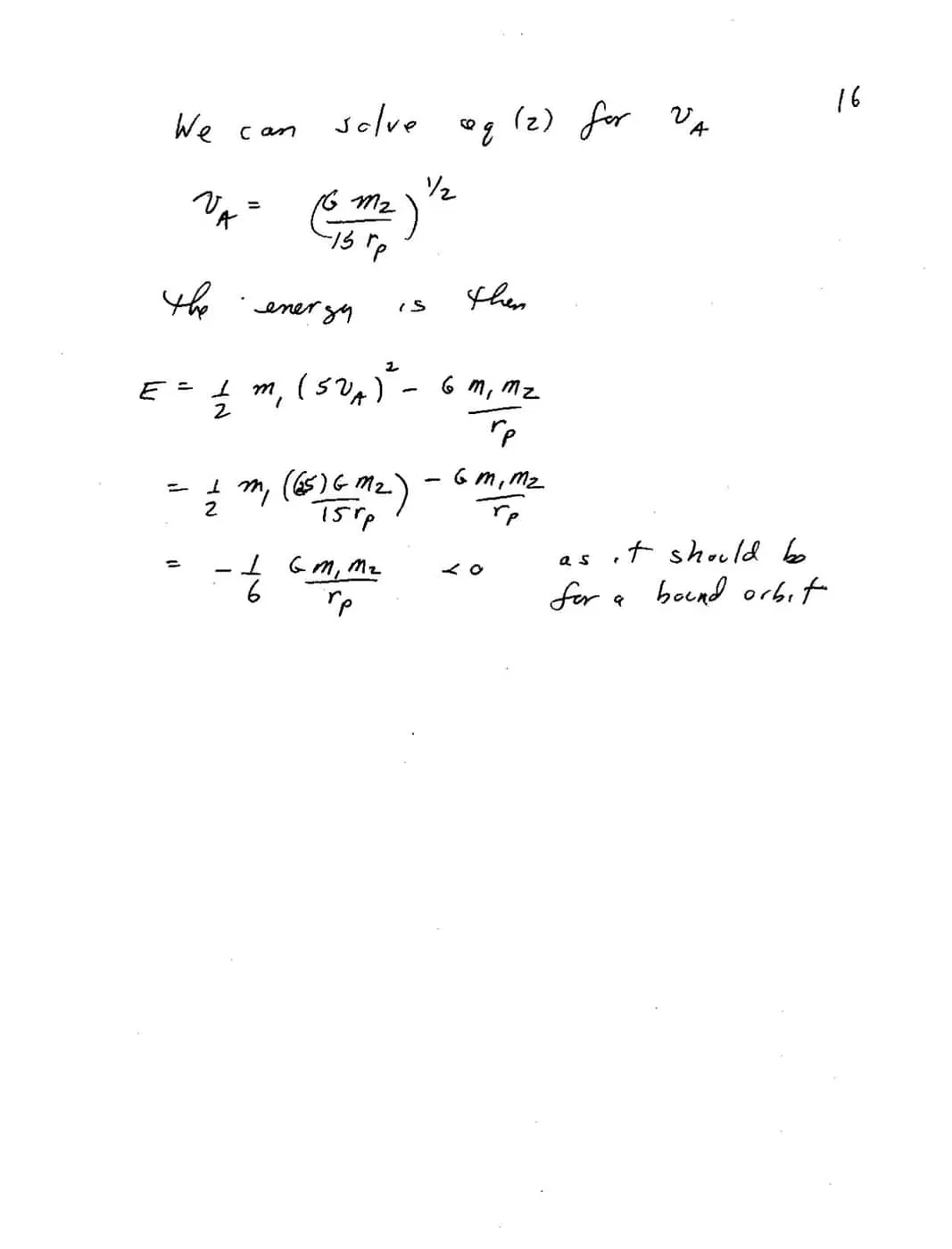
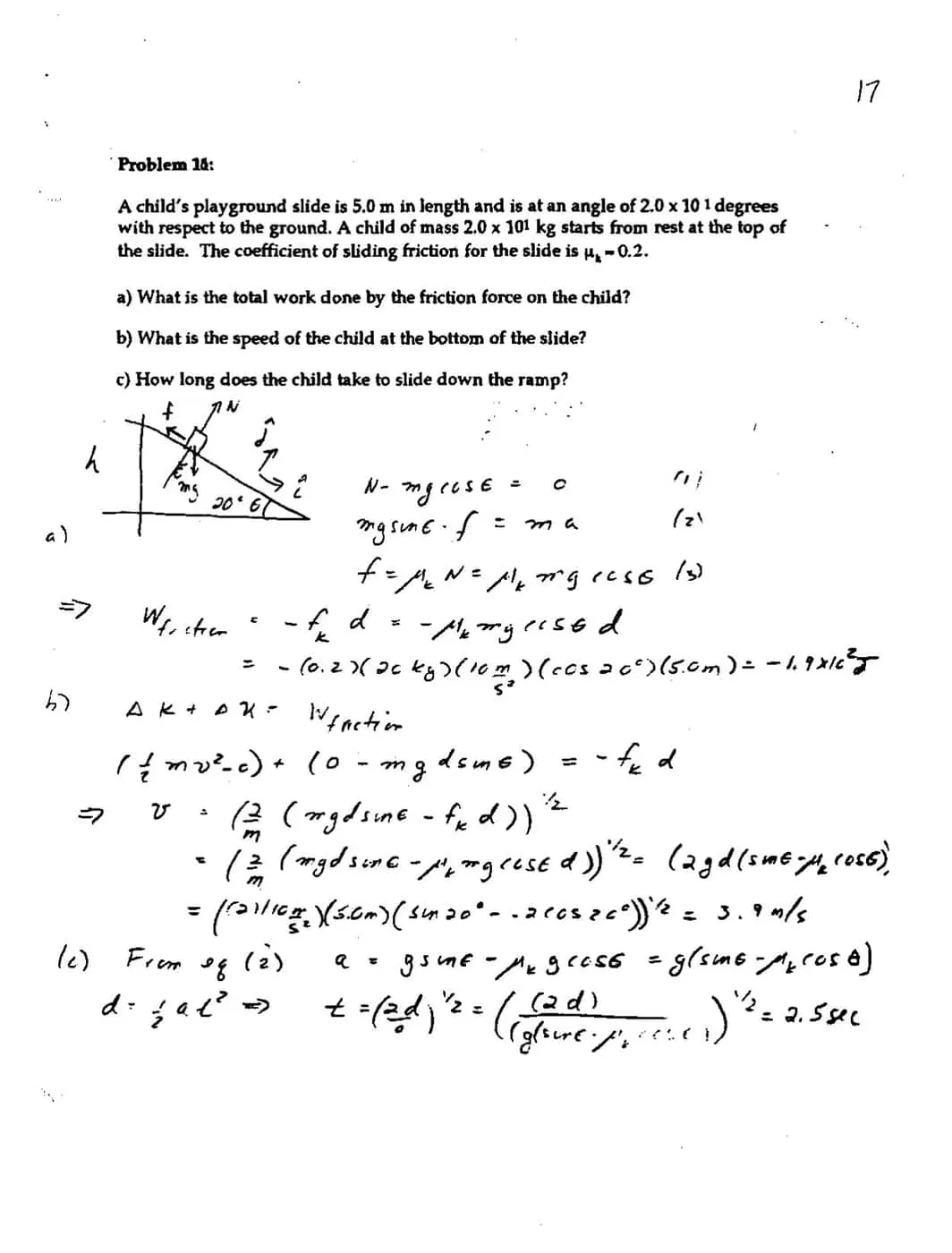
1
Experiment AM
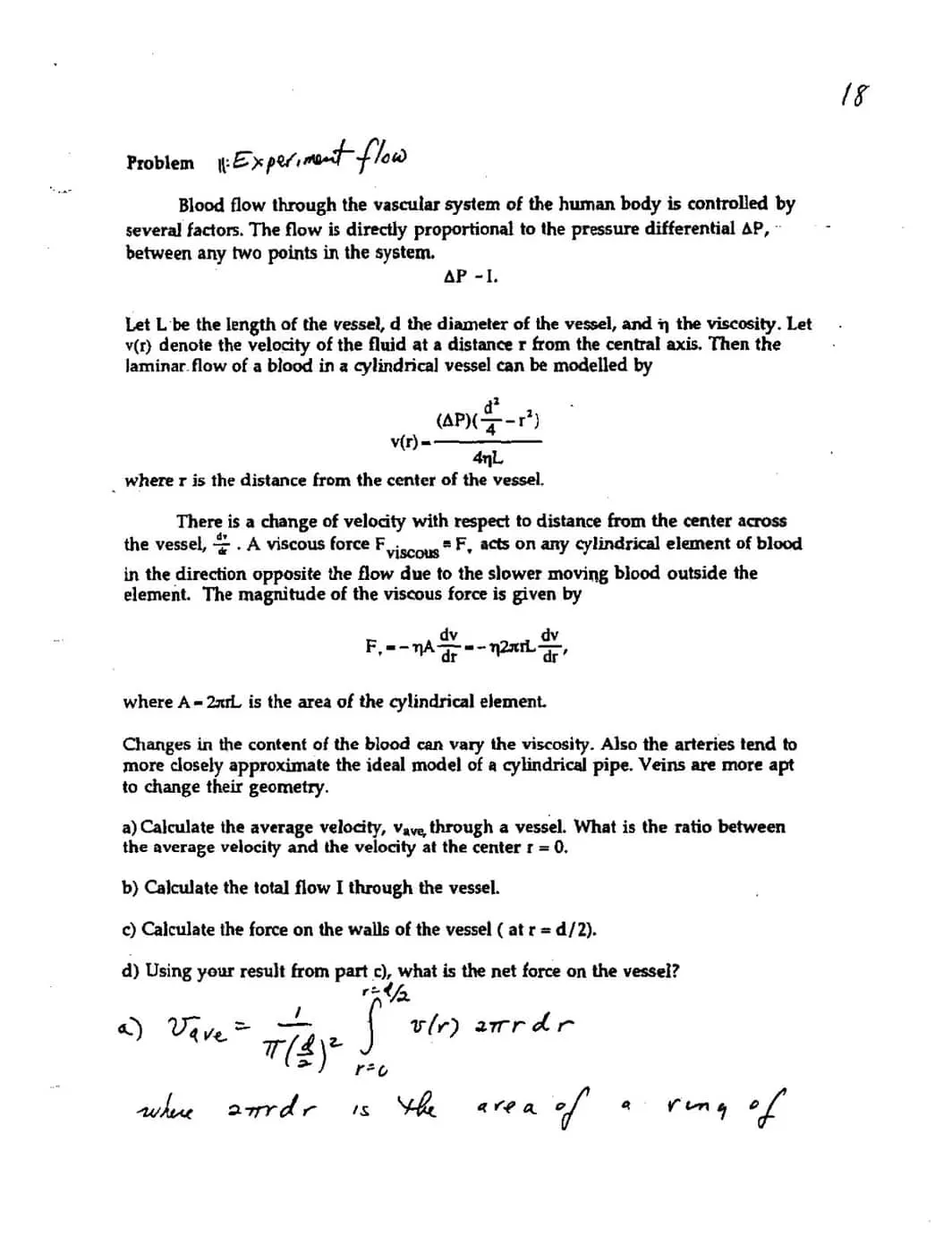
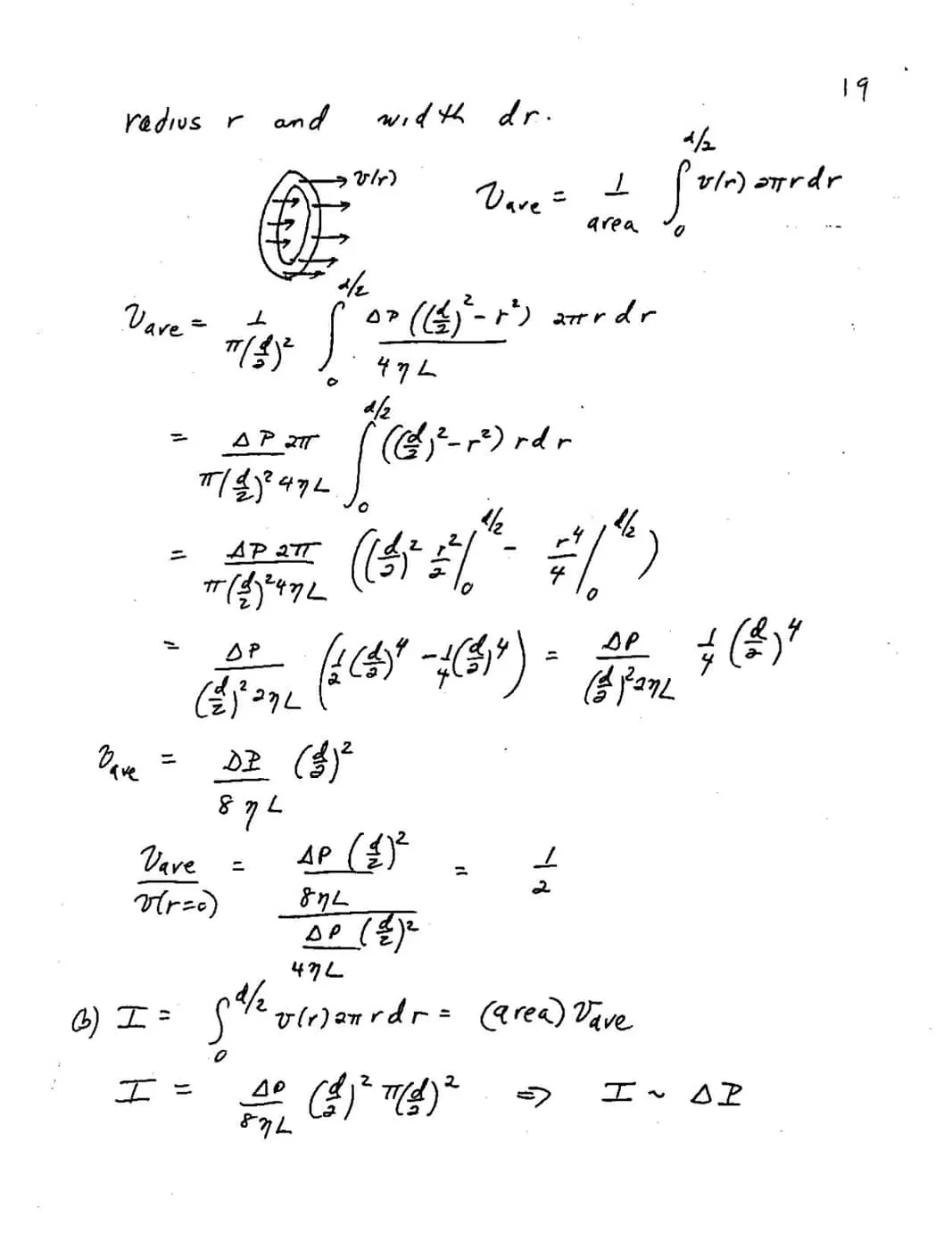
In experiment AM, a circular steel washer, of mass m1 and moment of inertia Iw = kg-m2, is mounted on the shaft of a small motor. Assume that the moment of inertia of the motor is negligible. The washer is set into motion. When it reaches 200 rad/sec, at t = 0 the power to the motor is shut off, and the washer slows down until it reaches an angular velocity of 140 rad/sec at t = 6 sec. At that moment a second identical circular steel washer of mass m2 = m1 is dropped on the first. The collision takes place over a time 0.2 sec.
Initial angular momentum
Initial kinetic energy
Frictional torque magnitude
Angular velocity at 6.2 sec
Average torque exerted by dropped washer
JD
John Doe
Calculus 1: final exam
1
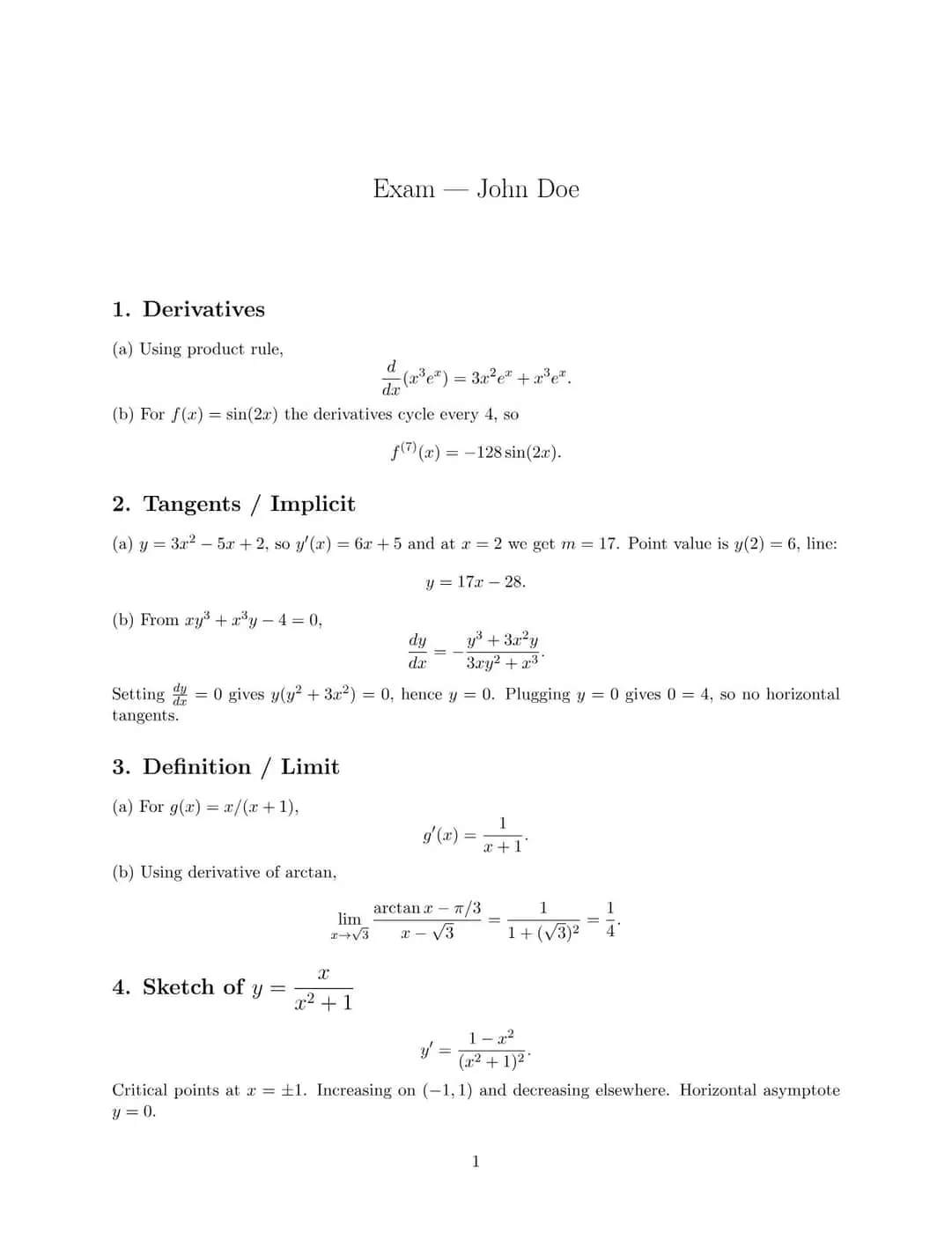
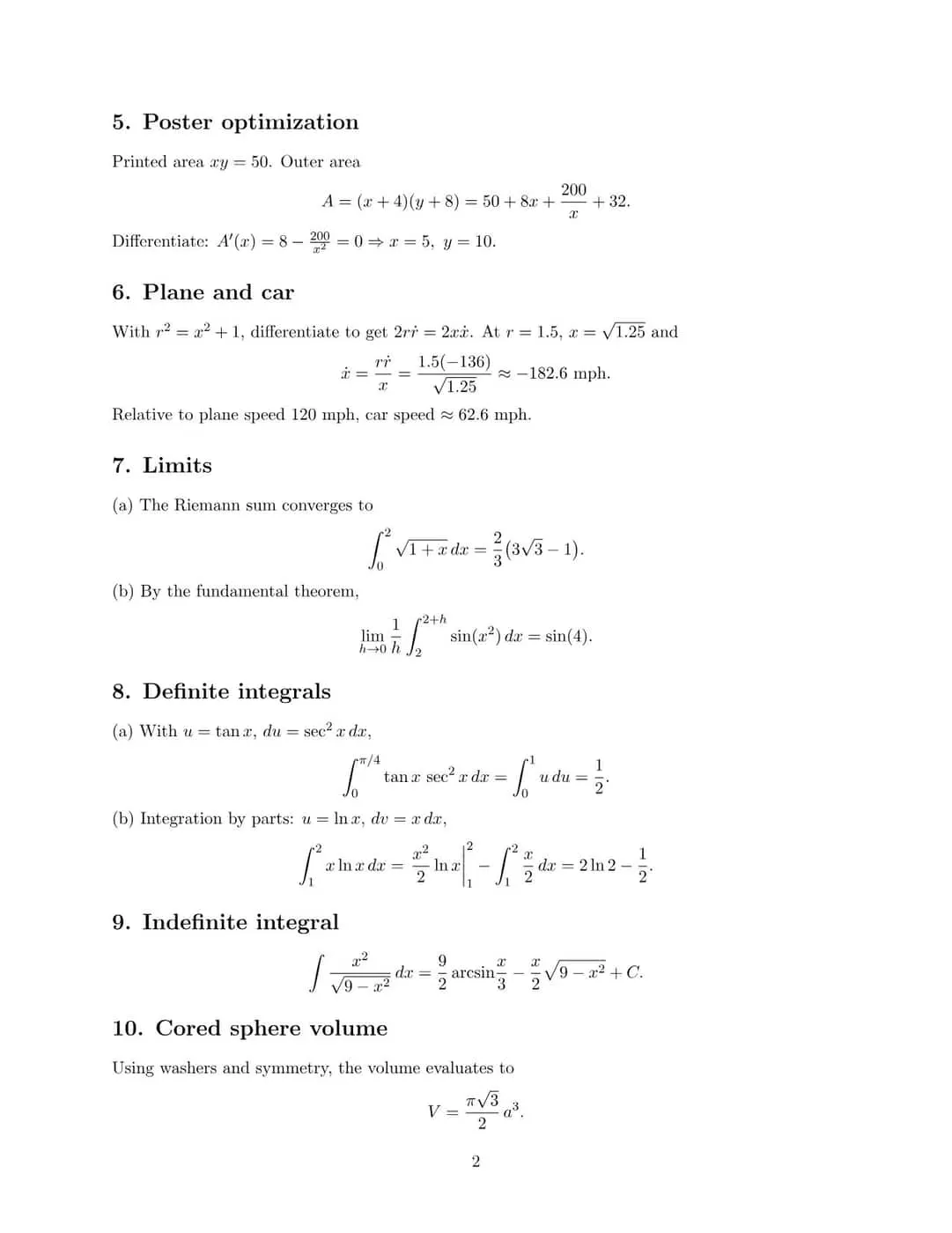
Compute derivatives
Compute the following derivatives:
Derivative
Seventh derivative
Where this works best
- High school chemistry (GCSE/AP/IB): equations, mechanisms, practical writeups.
- University general, organic and analytical chemistry: pre-labs, post-labs, problem sets.
- Large intro labs (100–500 students): the same criteria for every report, with TAs reviewing the suggestions.
- Online and hybrid programs: PDF/image uploads with handwriting preserved.
What you get
Consistent grading with the teacher in charge.
- Start every student from suggested points per criterion, with the evidence marked on the page.
- Doubtful answers are flagged “Check closely”, so you know where to look first.
- Give students specific feedback per criterion that they can use in the next lab.
How a chemistry teacher uses Graidable
- 1Upload PDFs or images of handwritten or typed work. Save Word files as PDF first.
- 2Graidable reads equations, reaction mechanisms, tables, graphs and prose.
- 3AI proposes rubric-aligned scores and inline comments for each criterion.
- 4You review suggestions, edit anything, and approve in one pass.
- 5Download a feedback PDF for each student and export points per question to a spreadsheet.
Formats and export
Results come out as files you can share with students and import elsewhere.
- No LMS integration yet: download the feedback PDFs and export the points to a spreadsheet.
- Accepts PDFs and images (JPEG, PNG, WebP), including scanned handwriting. Save Word files as PDF first.
- Export points per question to a spreadsheet and download each student’s feedback as a PDF.
Privacy and instructor control
Chemistry grading still needs a teacher’s judgement. Graidable suggests; you approve every grade.
- No grade is final until a teacher or TA has reviewed and approved it.
- Data is stored in the EU. AI providers keep nothing and never train on student work.
- Use encrypted transport and controlled access for assessment data.
FAQ
Can it grade handwritten chemistry assignments?
Yes. Graidable can evaluate scanned or photographed handwritten chemistry work, including equations, symbols, and diagrams.
How does partial credit work for chemistry problems?
Scores are proposed by rubric criterion, so correct setup or method can still earn credit even if arithmetic or final values are wrong.
Can it handle reaction mechanisms and lab diagrams?
Yes. Graidable supports mechanism-style responses, diagrams, tables, and visual chemistry artifacts alongside written explanations.
Can instructors override AI scores and comments?
Yes. You can edit every suggested mark and feedback comment, and nothing is final until you approve it.
Does it support lab report grading?
Yes. You can evaluate methodology, calculations, analysis, data interpretation, and scientific writing using your own rubric.
Can we export results to our LMS?
Not directly. There is no LMS integration yet. You export each student’s points per question to a spreadsheet and download the feedback as PDFs.
Is AI grading allowed at my institution?
Graidable is built for instructor-in-the-loop grading, so educators retain final authority and can align usage with institutional policy.
Is student data used to train models?
No. Student work is never used to train AI models, and the AI providers keep nothing. Details are in the privacy policy.
Try AI chemistry grading on your next assignment
Try the demo, then try Graidable free or ask for a pilot for your school or department.
Related workflows: AI math grading and AI lab report grading.