AI Lab Report Grader
AI Lab Report Grader for Chemistry, Biology & Physics
Graidable helps instructors grade lab reports with rubric-aligned scoring across methods, data analysis, and scientific reasoning.
Use it for handwritten and typed reports. You review every AI suggestion and approve each grade.
- Understands tables, calculations, graphs, and structured scientific writing.
- Supports rubric-based partial credit for methodology and interpretation.
- You review and approve every score; nothing is final before that.
What an AI lab report grader should do
Lab reports require more than grammar checks. A strong grader evaluates experimental design, analysis quality, and scientific reasoning.
- Gives you a first draft of points and feedback for every report, following your rubric.
- Apply the same rubric logic across all sections and TAs.
- Evaluate methods, calculations, figures, discussion, and conclusion quality.
Why lab reports are hard to grade consistently
Lab report grading is high-effort because it mixes technical correctness with communication quality.
- Method sections require checking procedural clarity, controls, and reproducibility.
- Data tables and calculations need point-by-point validation and unit consistency.
- Discussion sections require evidence-based interpretation, not just restating results.
- Students need specific revision guidance, not generic comments.
How Graidable grades lab reports
Rubric-aware AI scoring with instructor review for transparent outcomes.
- Read handwritten or typed lab reports from scans, PDFs, and uploaded files.
- Identify report components like method, results, analysis, and conclusion.
- Apply your rubric criteria and suggest marks with criterion-level rationale.
- Check calculations, units, and data interpretation for partial-credit decisions.
- Generate actionable feedback with targeted revision advice per section.
- Approve, edit or override all scores and comments.
Rubric example for lab report grading
A practical 20-point rubric structure you can adapt.
Method quality & reproducibility (5 pts)
Are setup, controls, and procedures clear enough to reproduce the experiment?
Data quality & calculations (5 pts)
Are values, units, and calculations correct and internally consistent?
Analysis & interpretation (5 pts)
Do conclusions follow from evidence, trends, and error analysis?
Scientific communication (5 pts)
Is the report well-structured, precise, and aligned with scientific writing norms?
Worked example: partial credit on a lab report
Scenario
Acid-base titration lab report with data table, concentration calculation, and conclusion.
Student submission
Method and raw measurements are clear, but one dilution factor is applied incorrectly in final concentration. Conclusion references expected trend but misses uncertainty impact.
AI feedback summary
Method section earns strong marks. Data/calculation section receives partial credit due to dilution-factor error. Analysis gets partial credit because trend interpretation is reasonable but uncertainty discussion is incomplete.
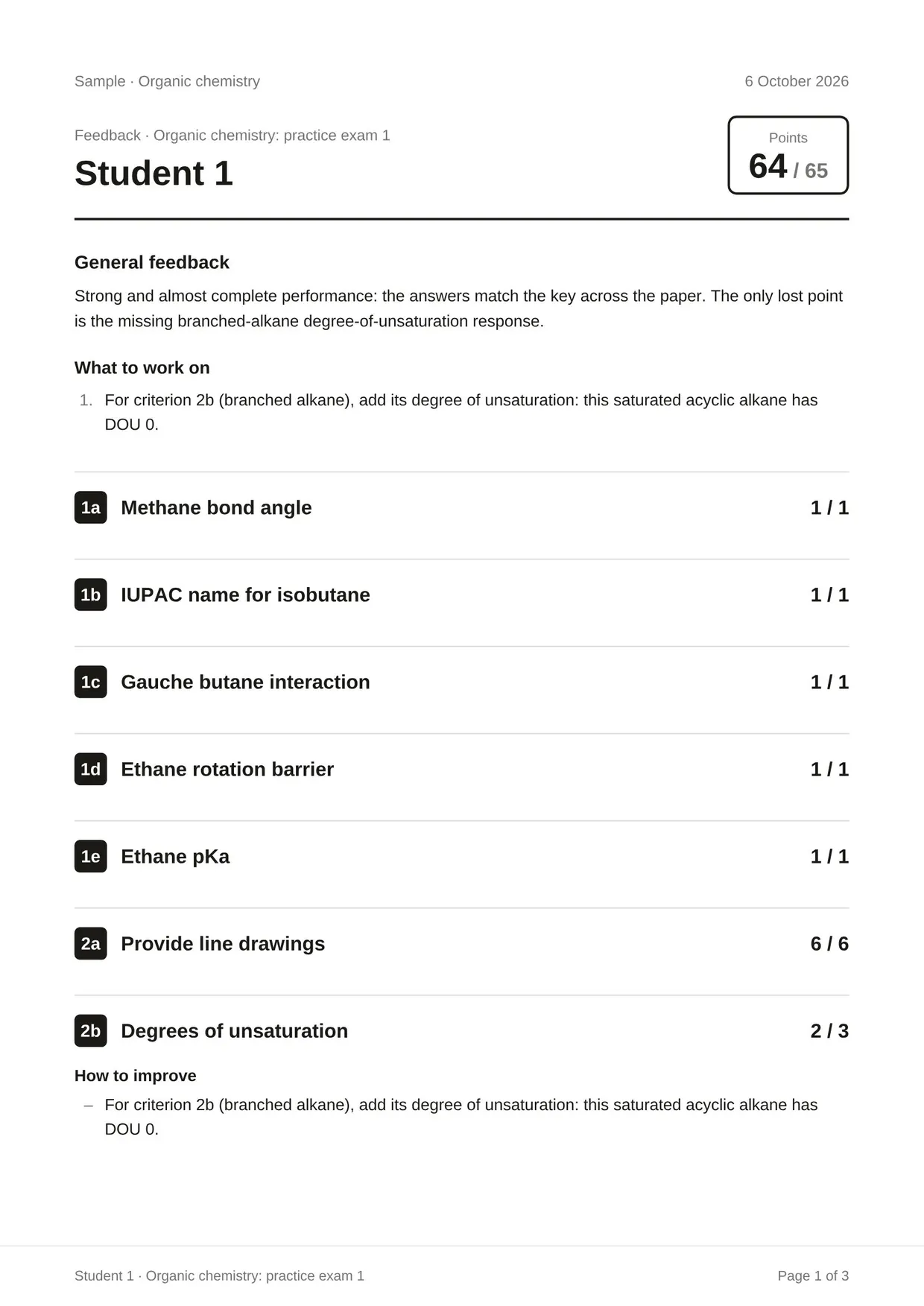
S1
Student 1
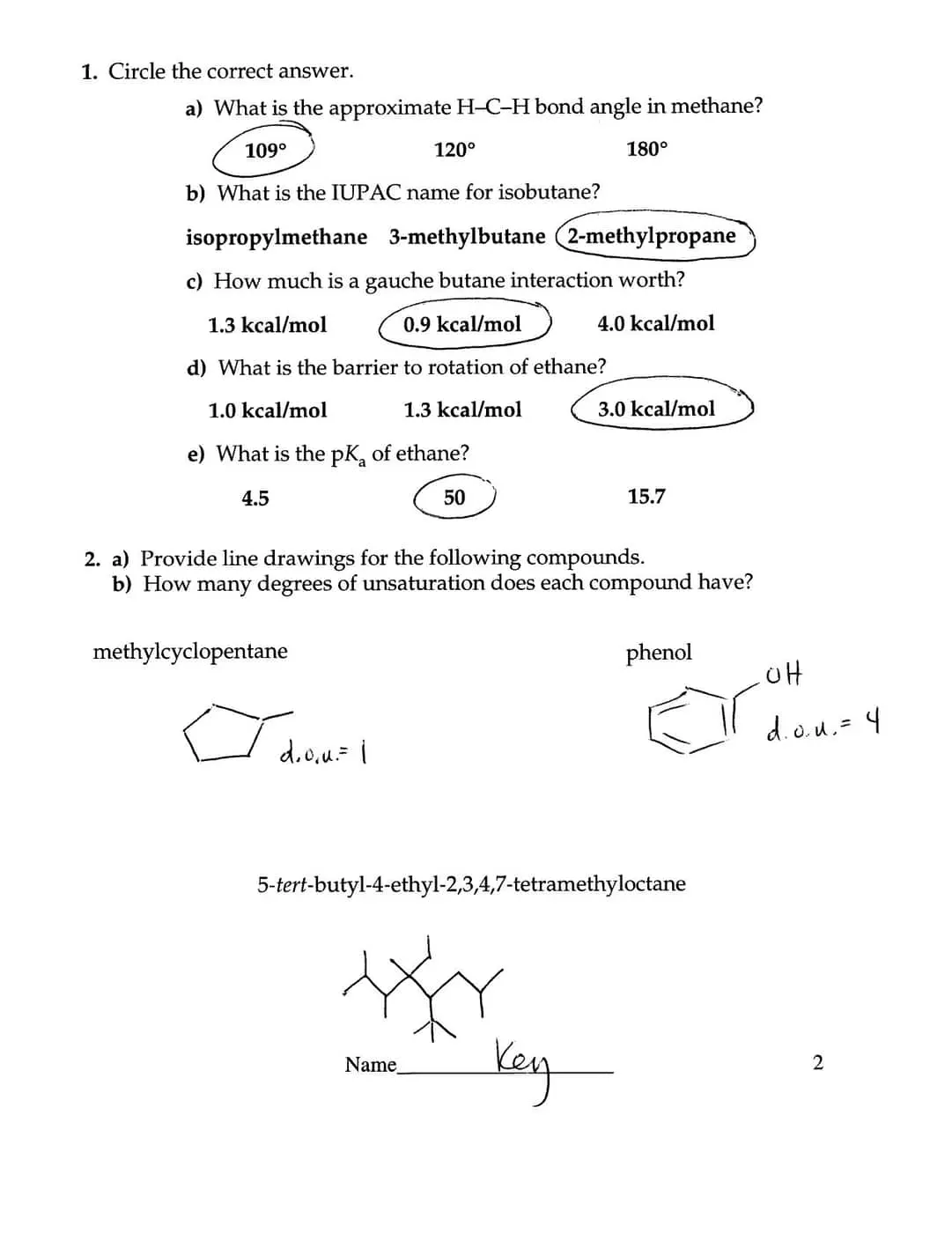
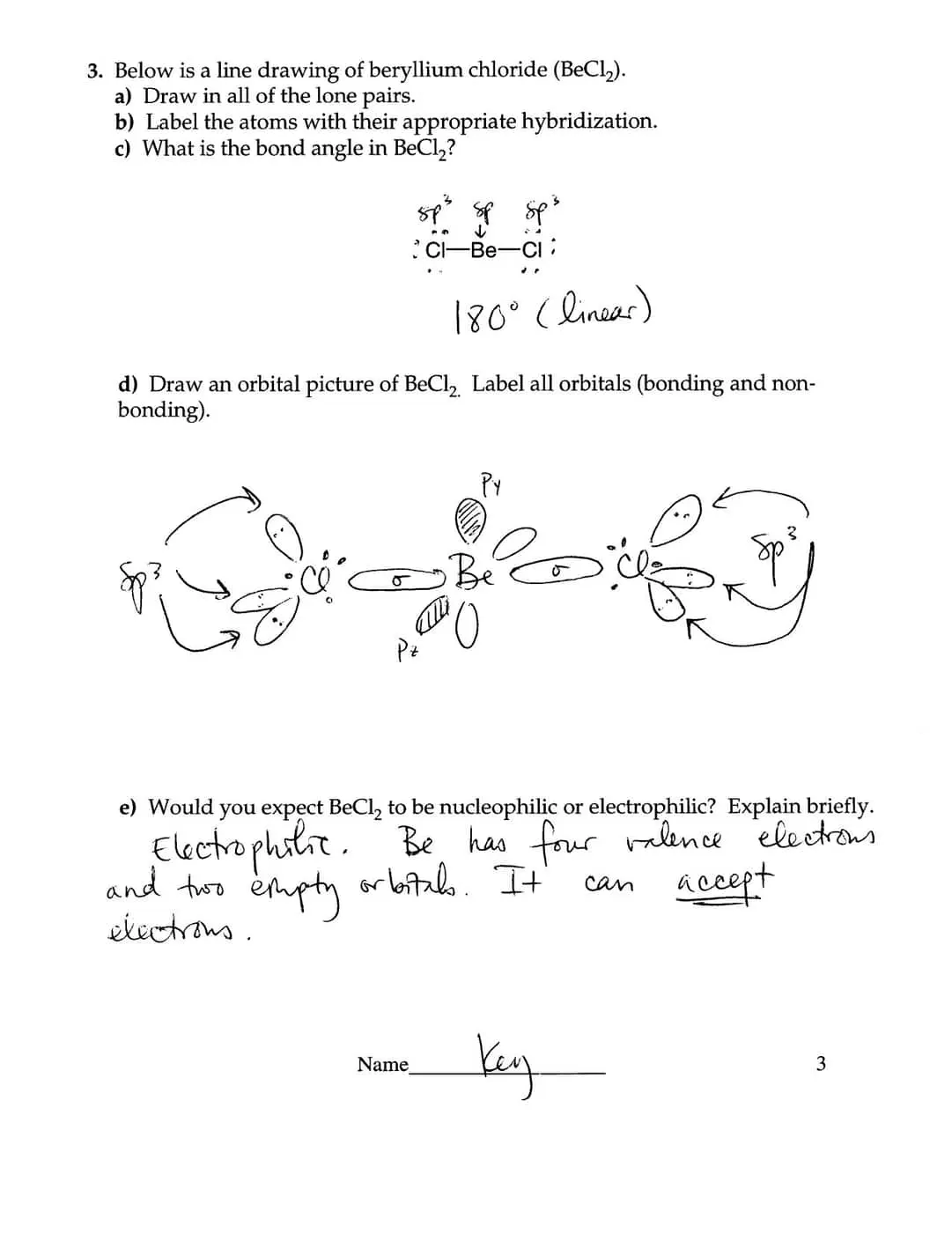
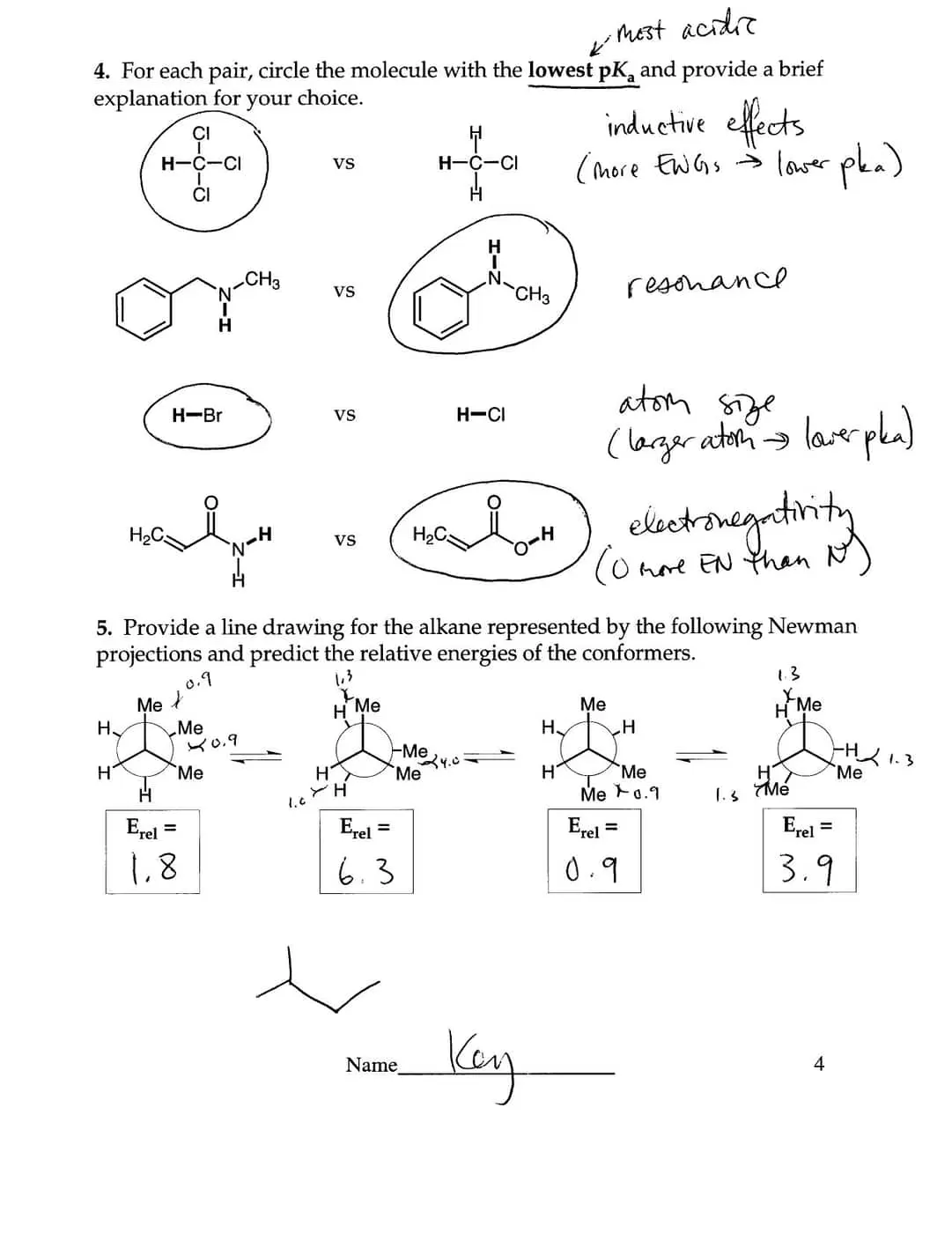
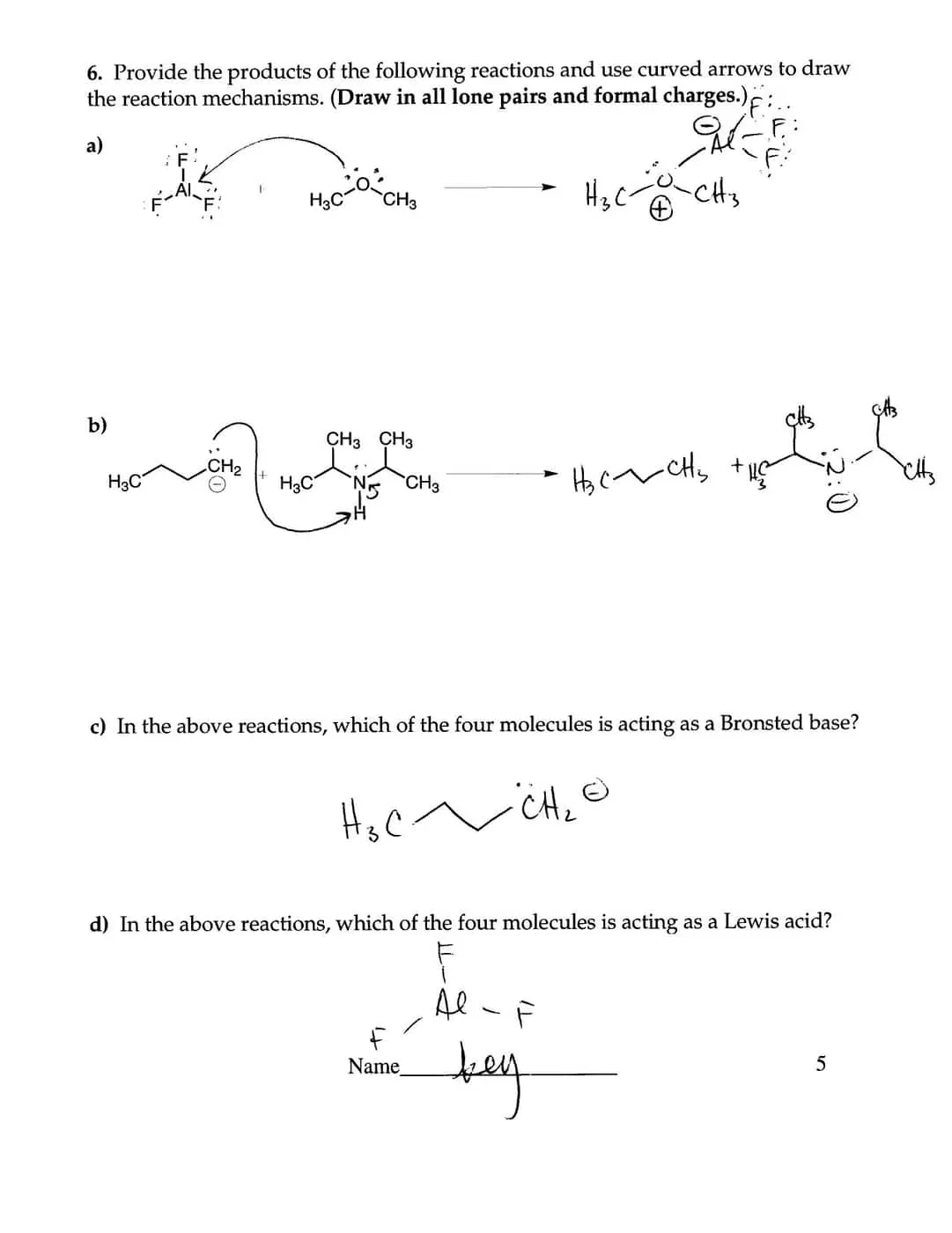
Organic chemistry: practice exam 1
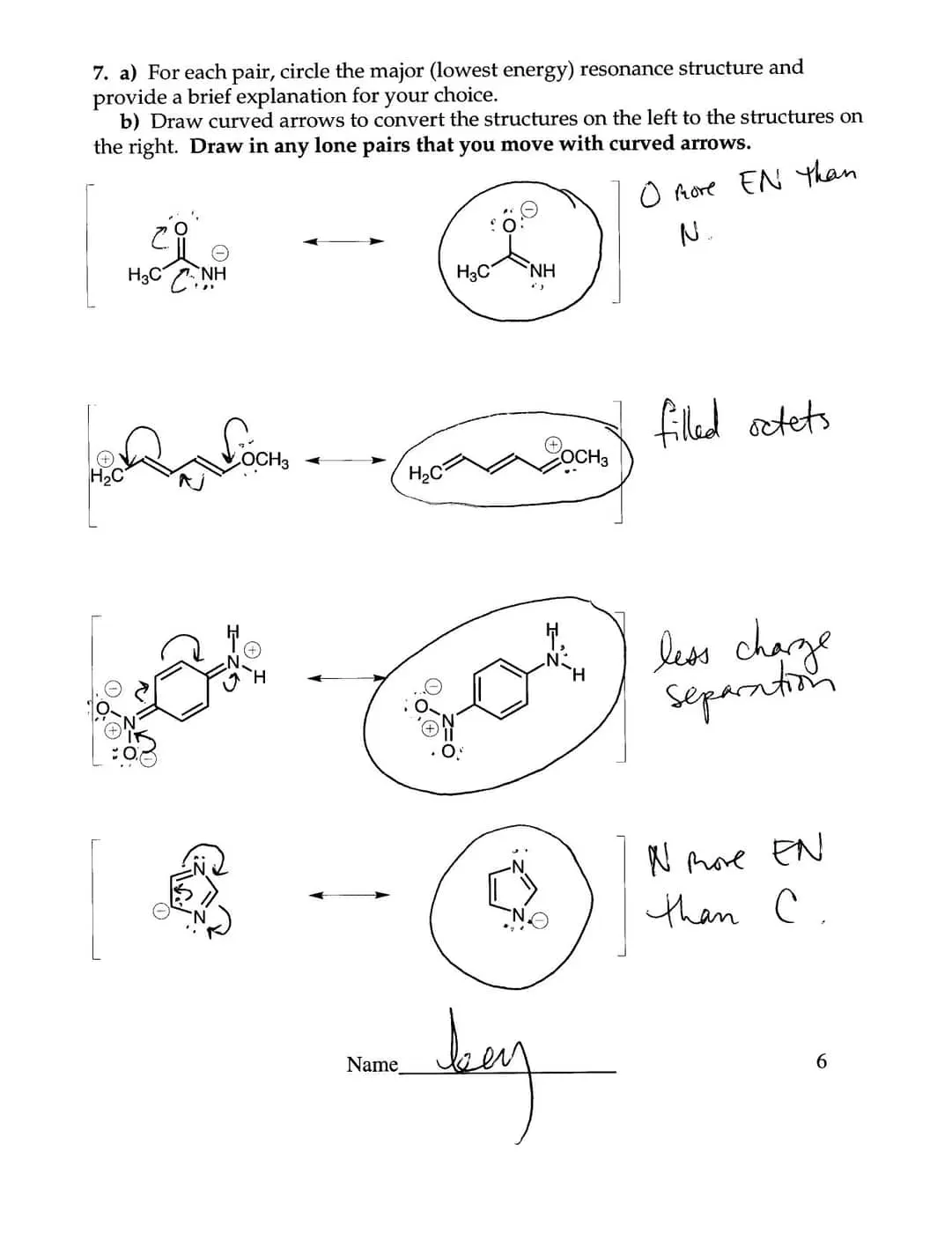
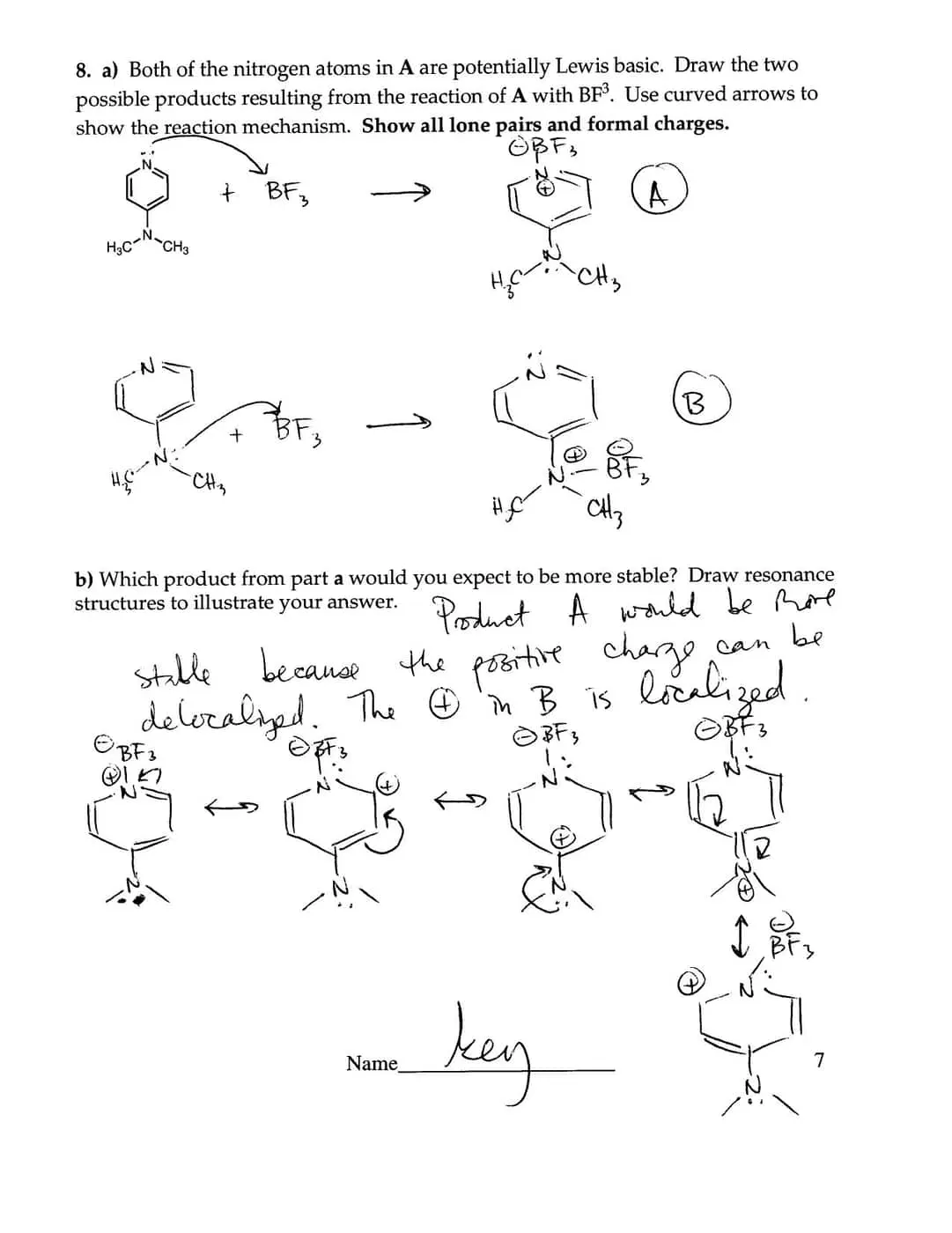
1
Circle the correct answer
Methane bond angle
109°
IUPAC name for isobutane
2-methylpropane
Gauche butane interaction
0.9 kcal/mol
Ethane rotation barrier
3.0 kcal/mol
Ethane pKa
50
S1
Student 1
Classical mechanics: practice final exam
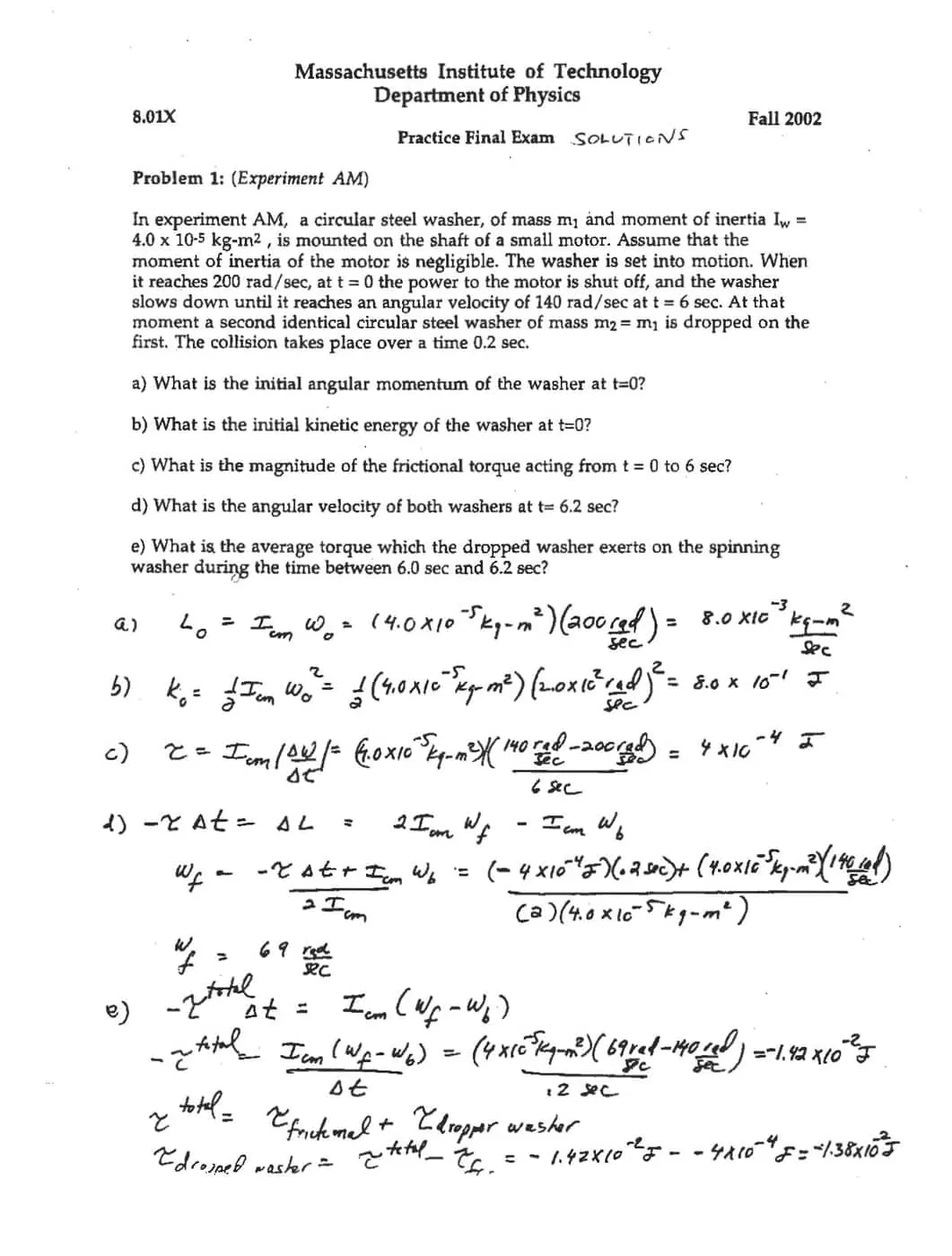
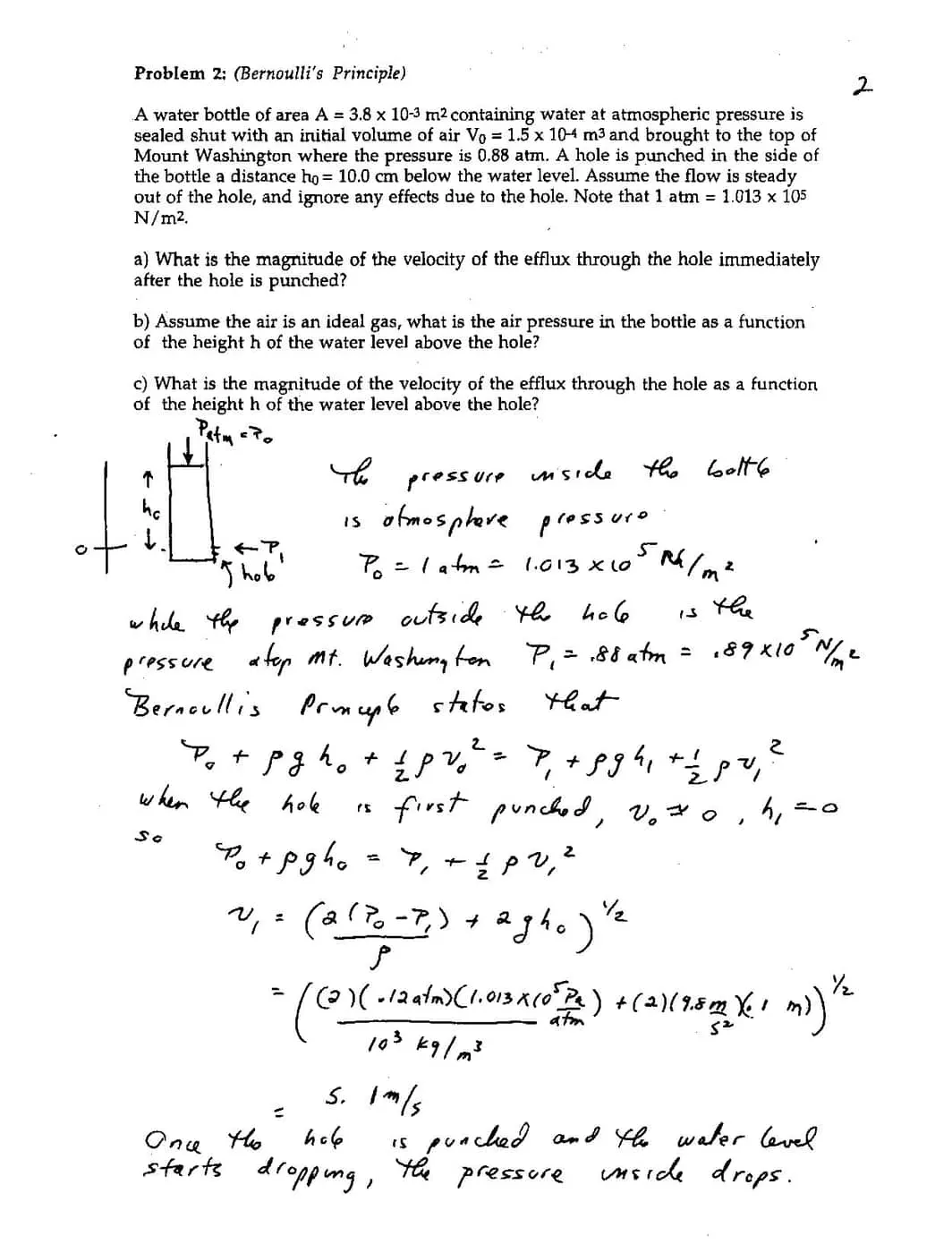
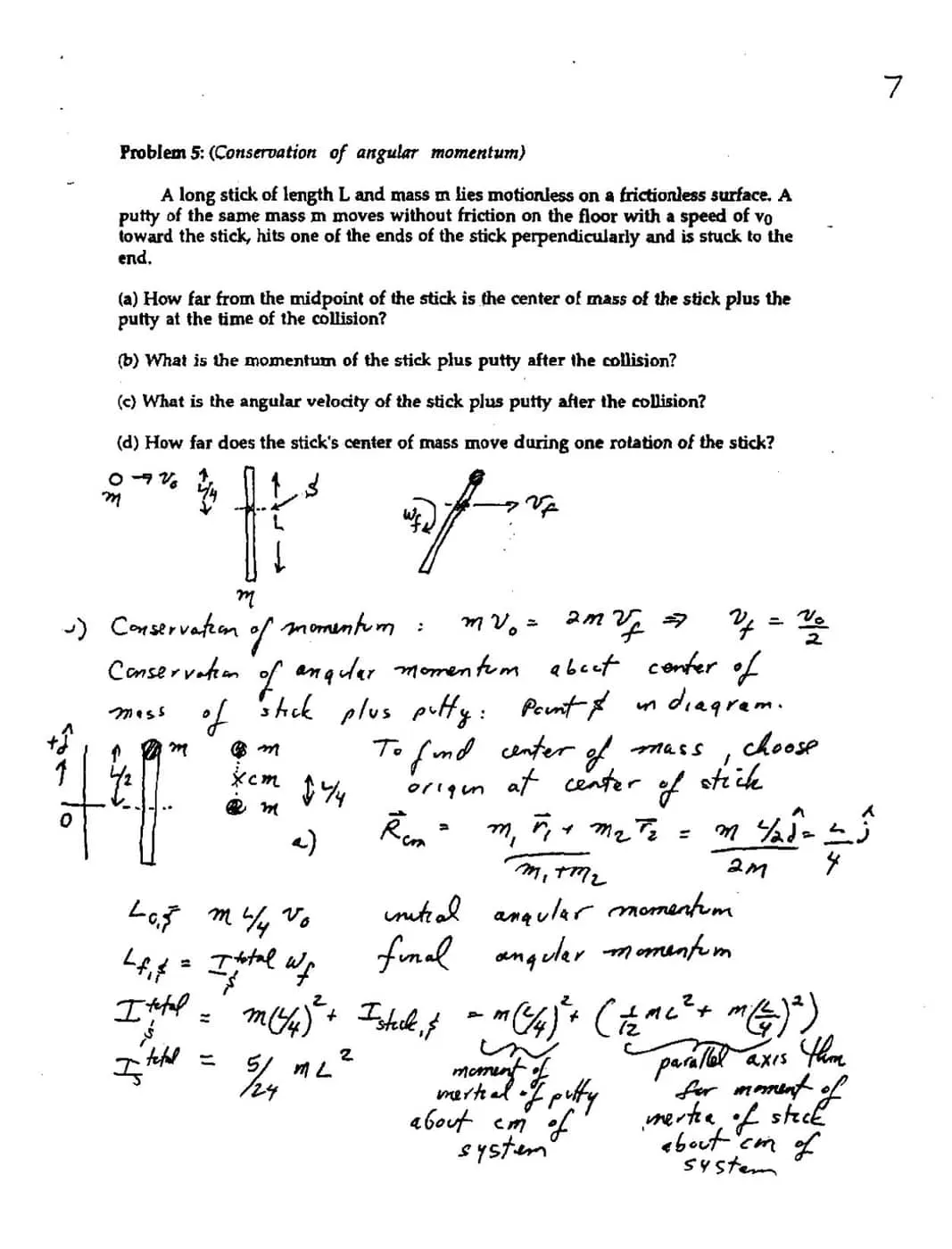
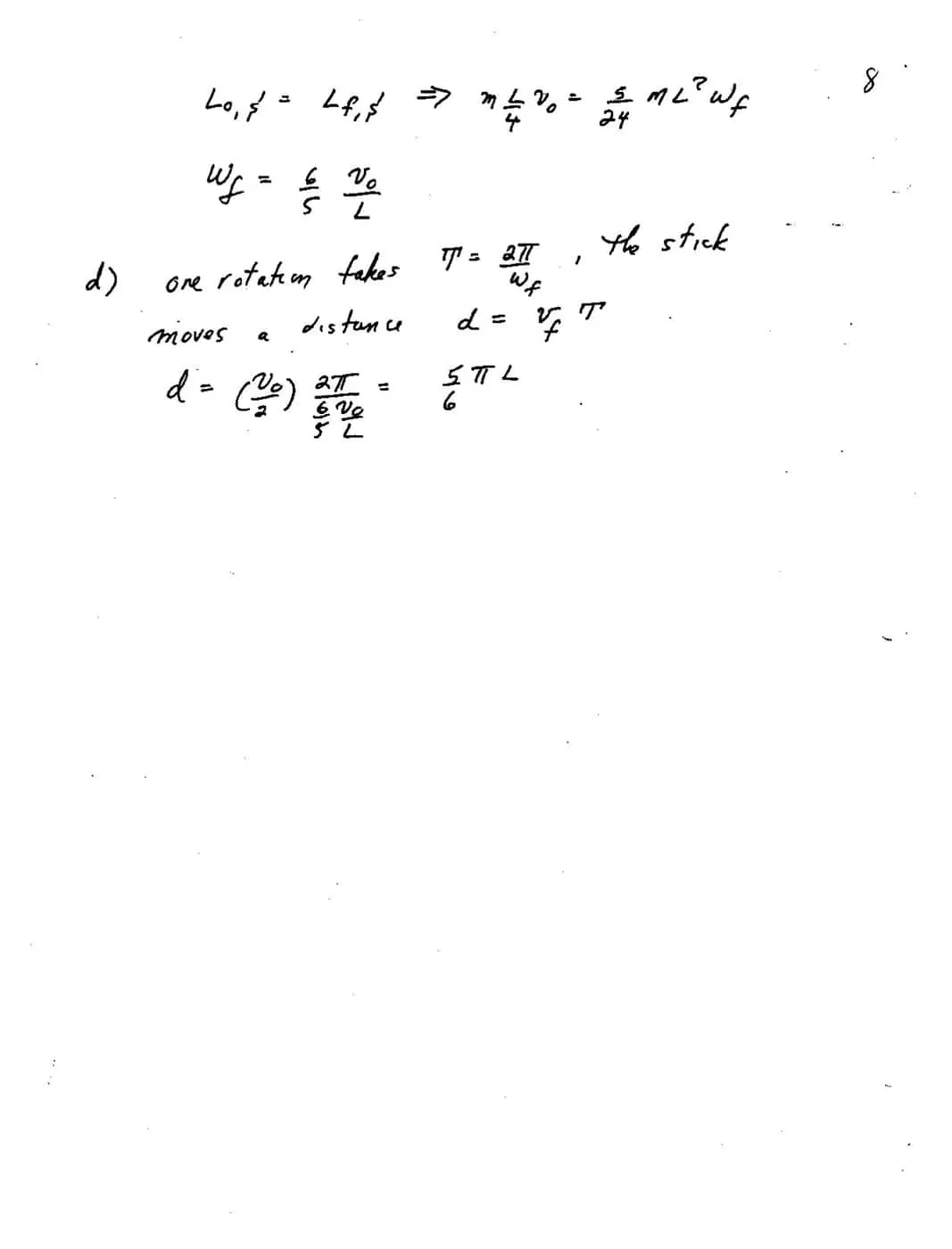
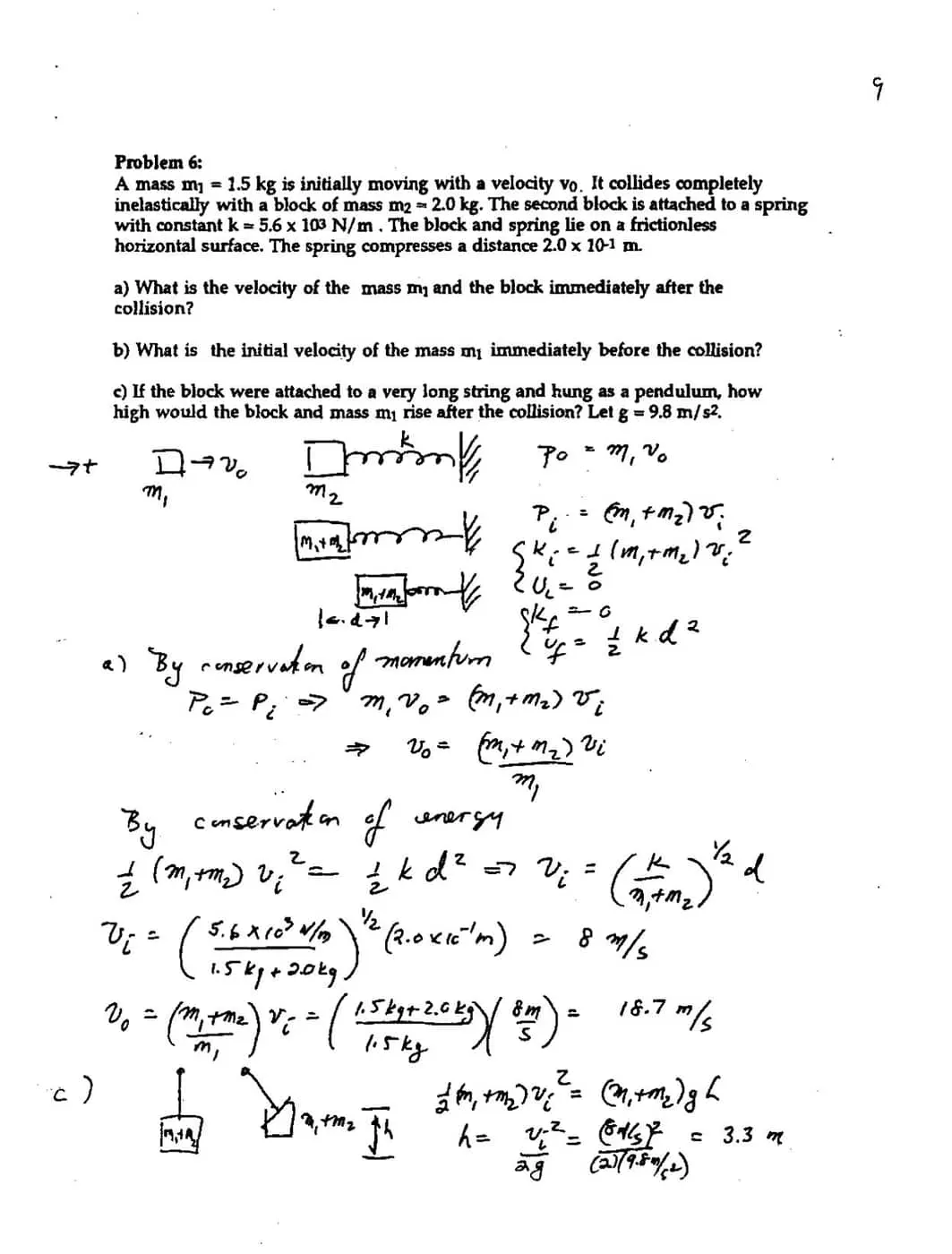
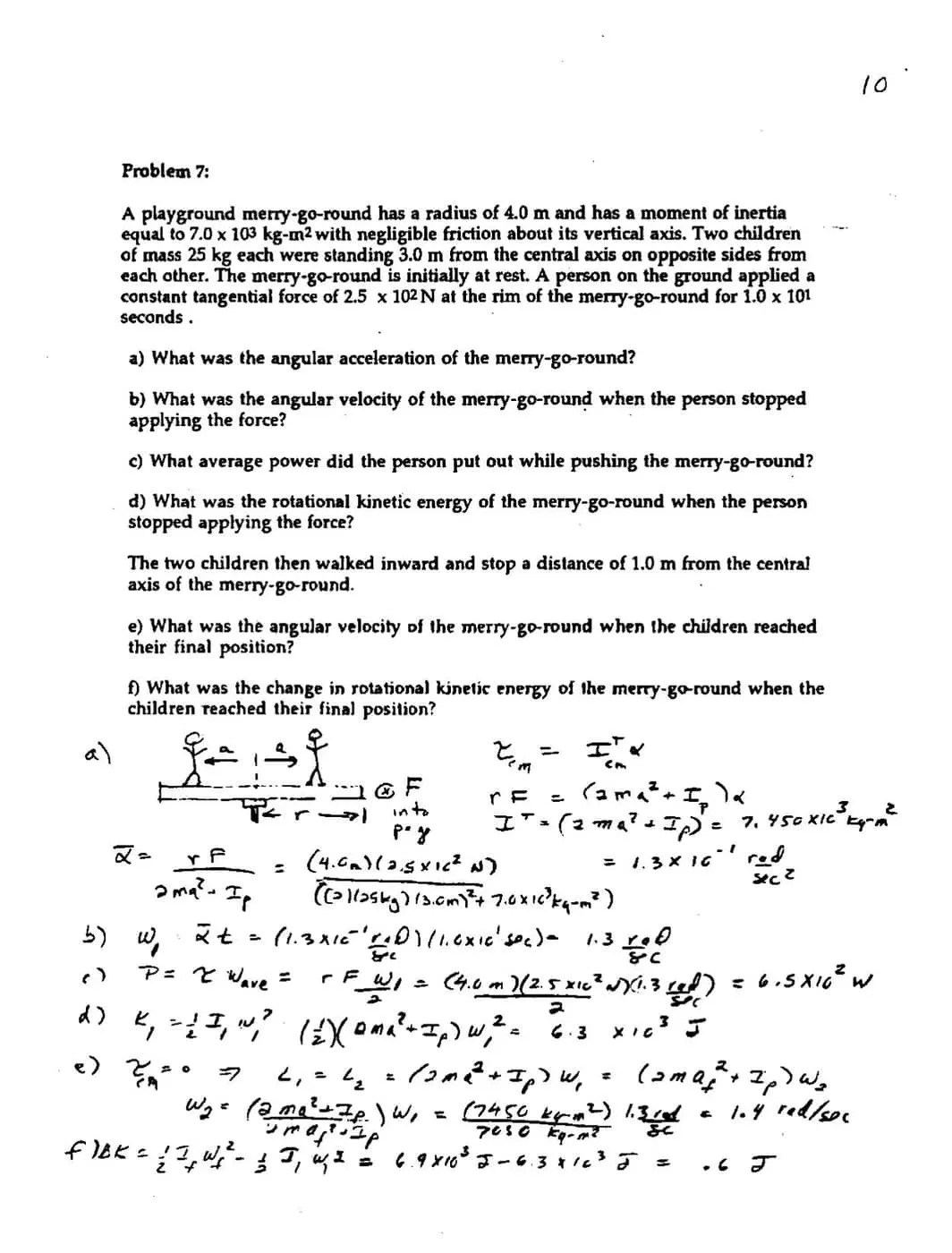
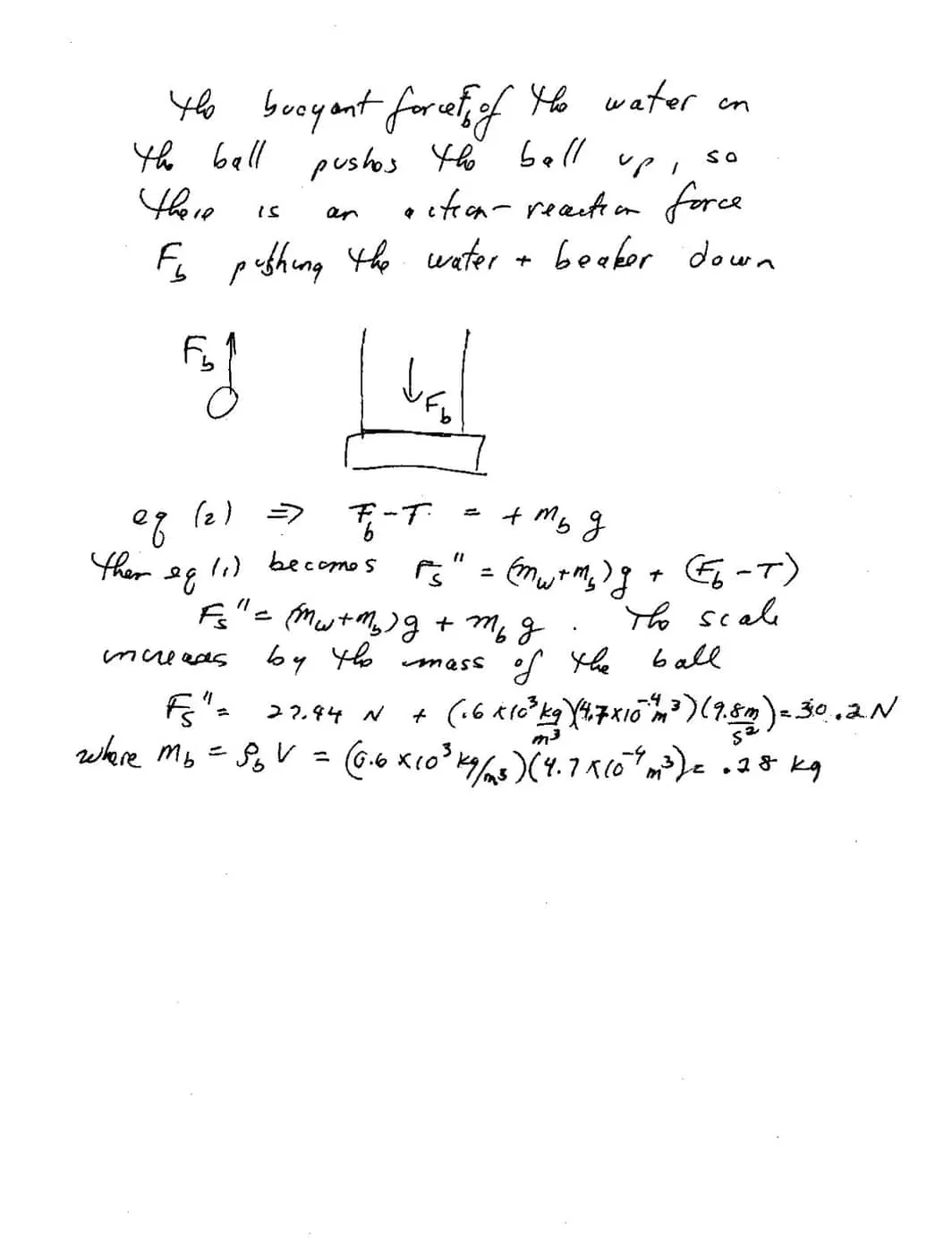
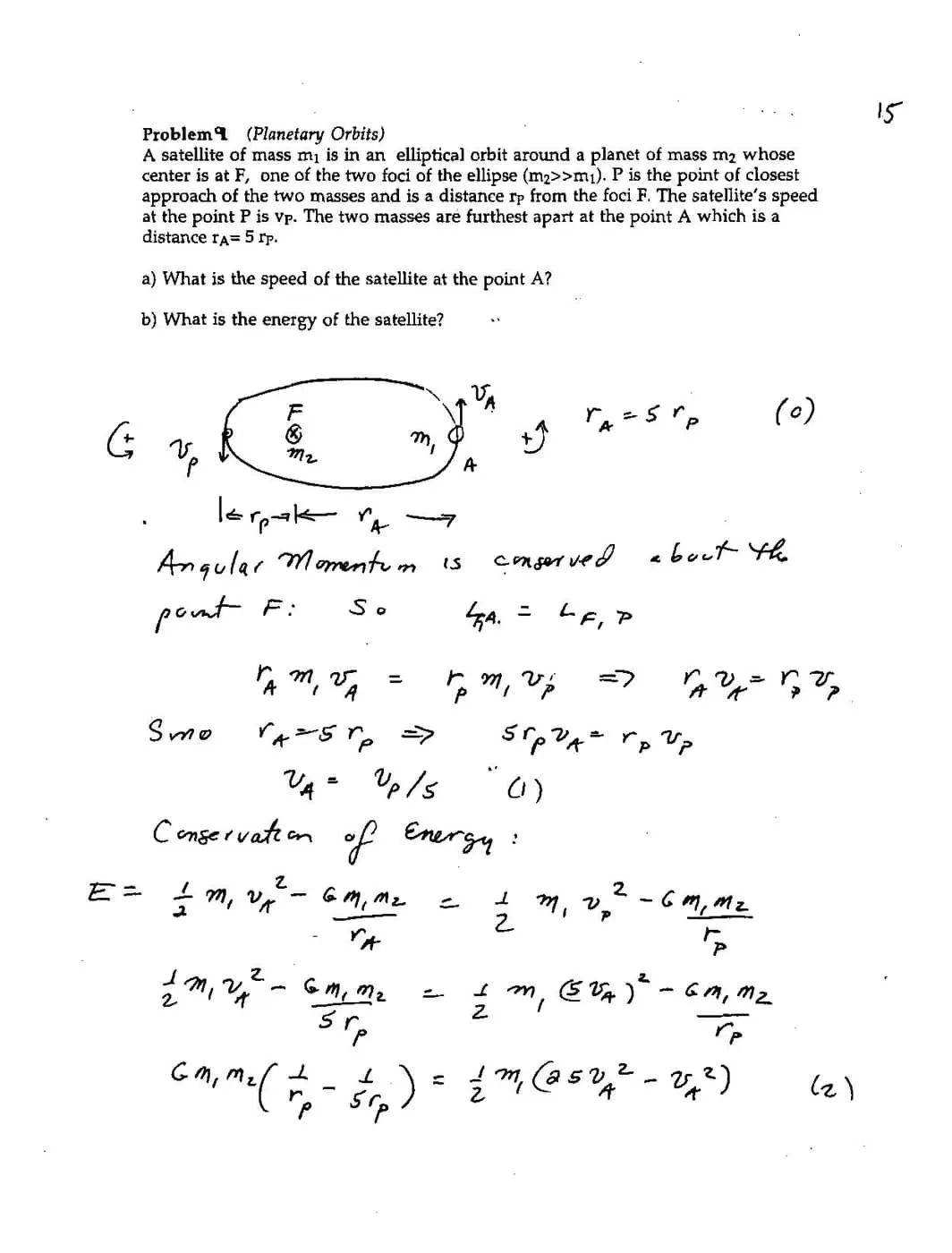
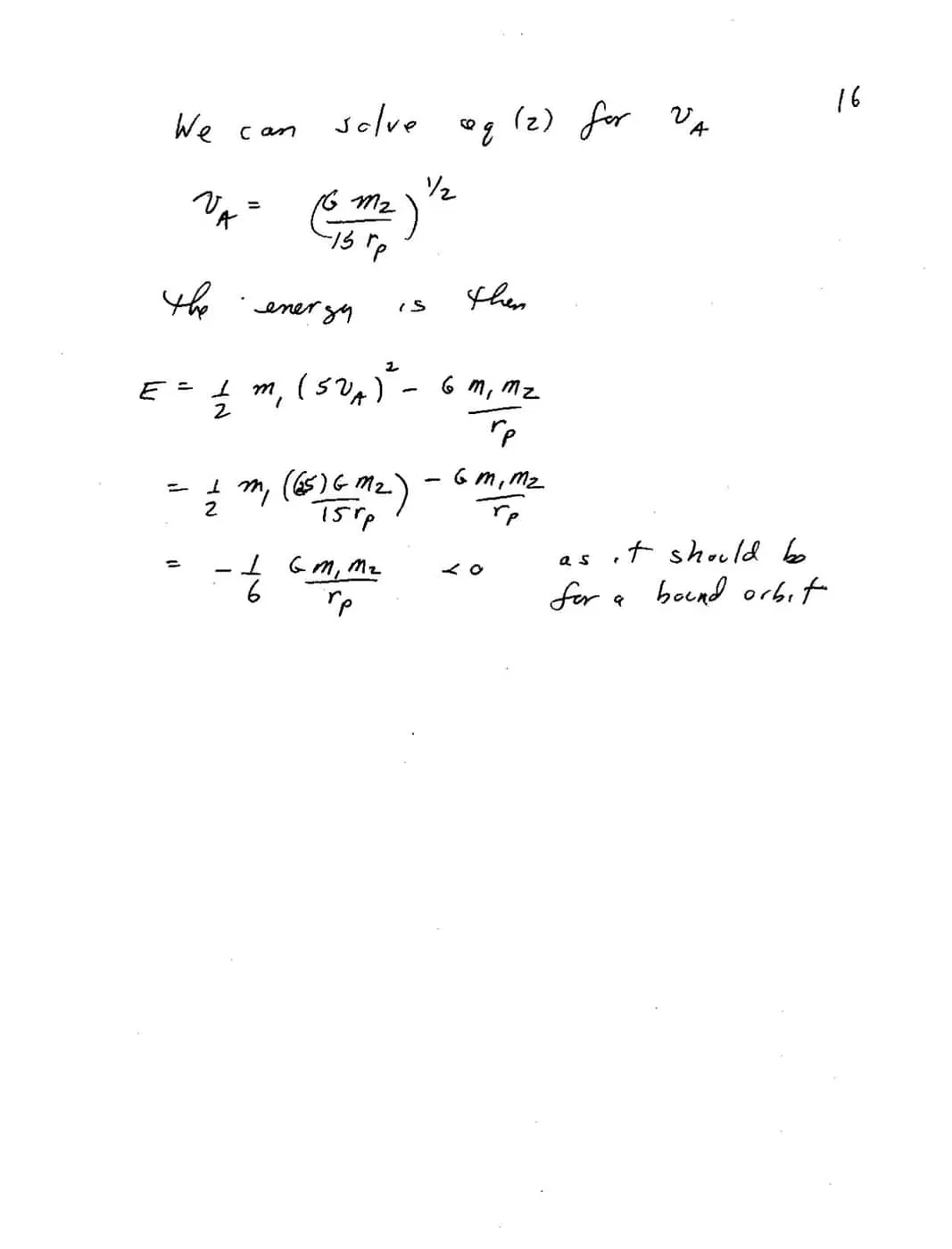
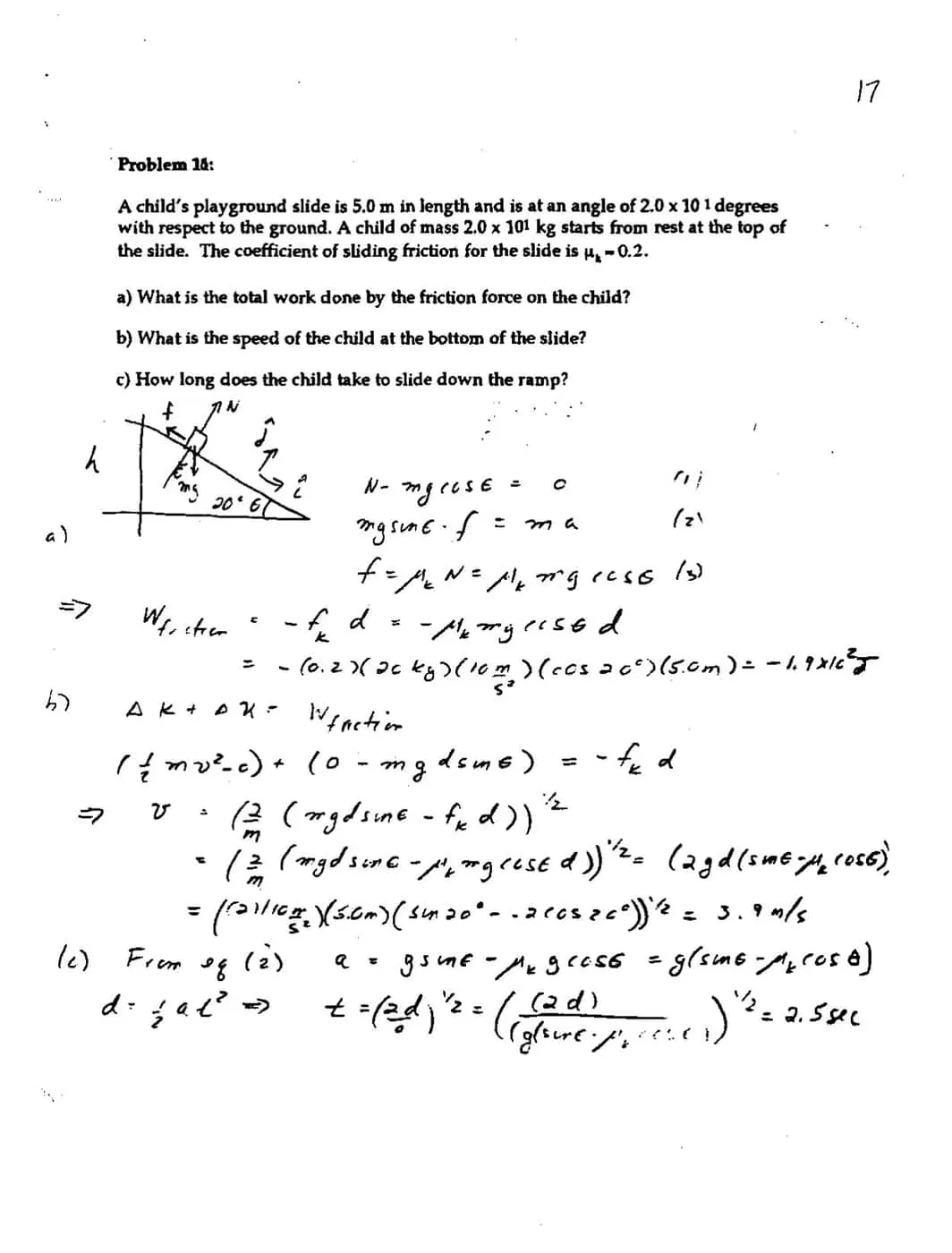
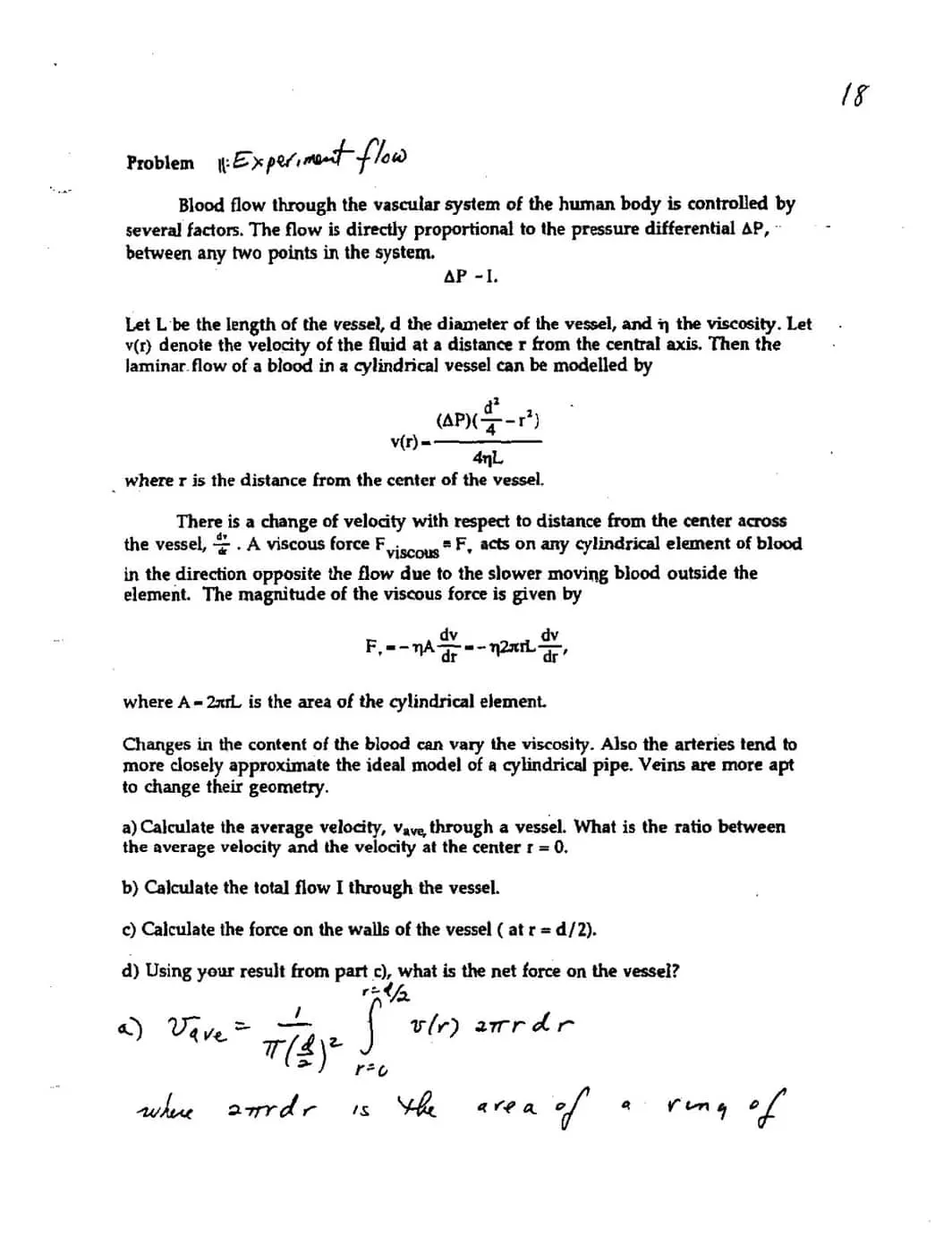
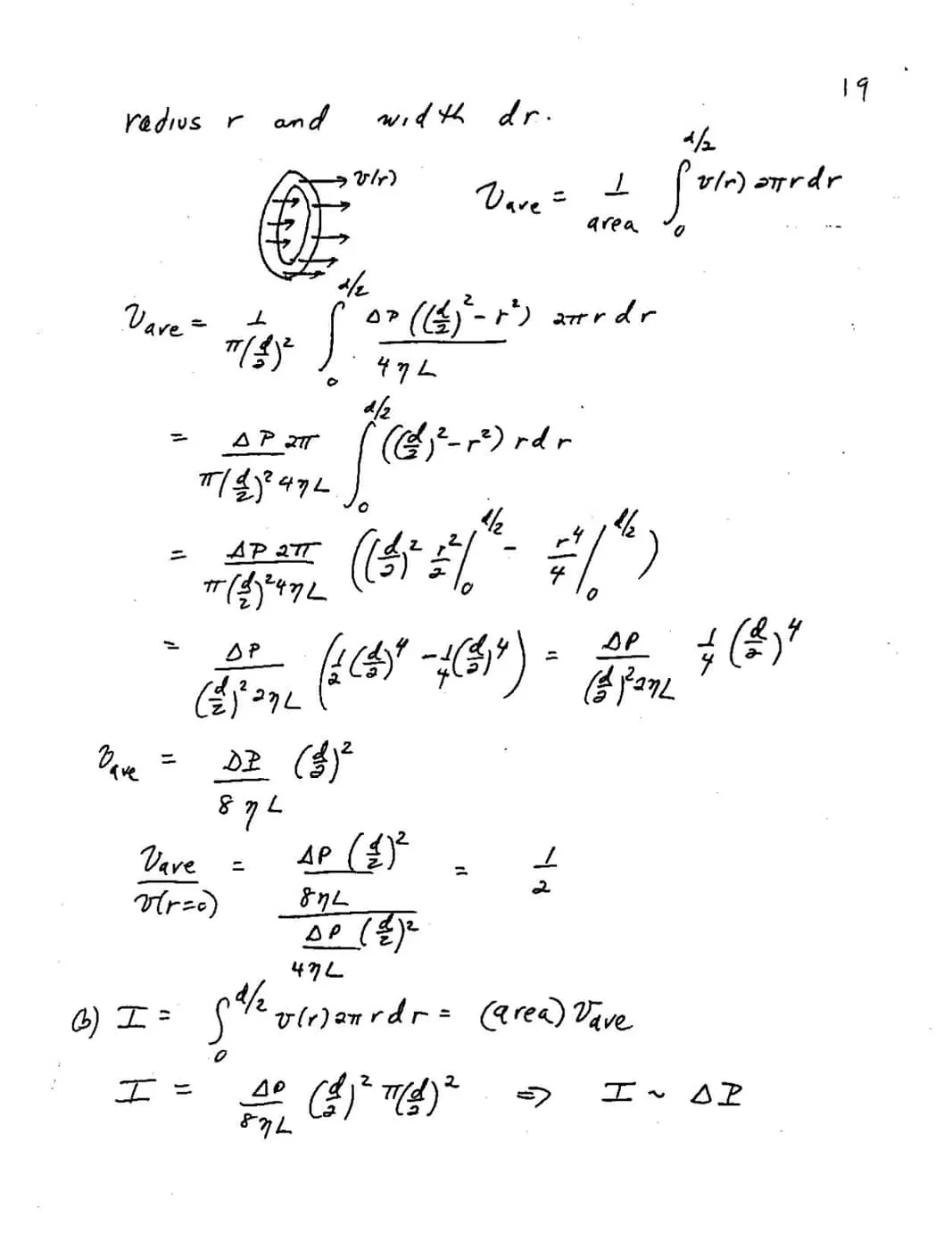
1
Experiment AM
In experiment AM, a circular steel washer, of mass m1 and moment of inertia Iw = kg-m2, is mounted on the shaft of a small motor. Assume that the moment of inertia of the motor is negligible. The washer is set into motion. When it reaches 200 rad/sec, at t = 0 the power to the motor is shut off, and the washer slows down until it reaches an angular velocity of 140 rad/sec at t = 6 sec. At that moment a second identical circular steel washer of mass m2 = m1 is dropped on the first. The collision takes place over a time 0.2 sec.
Initial angular momentum
Initial kinetic energy
Frictional torque magnitude
Angular velocity at 6.2 sec
Average torque exerted by dropped washer
JD
John Doe
Calculus 1: final exam
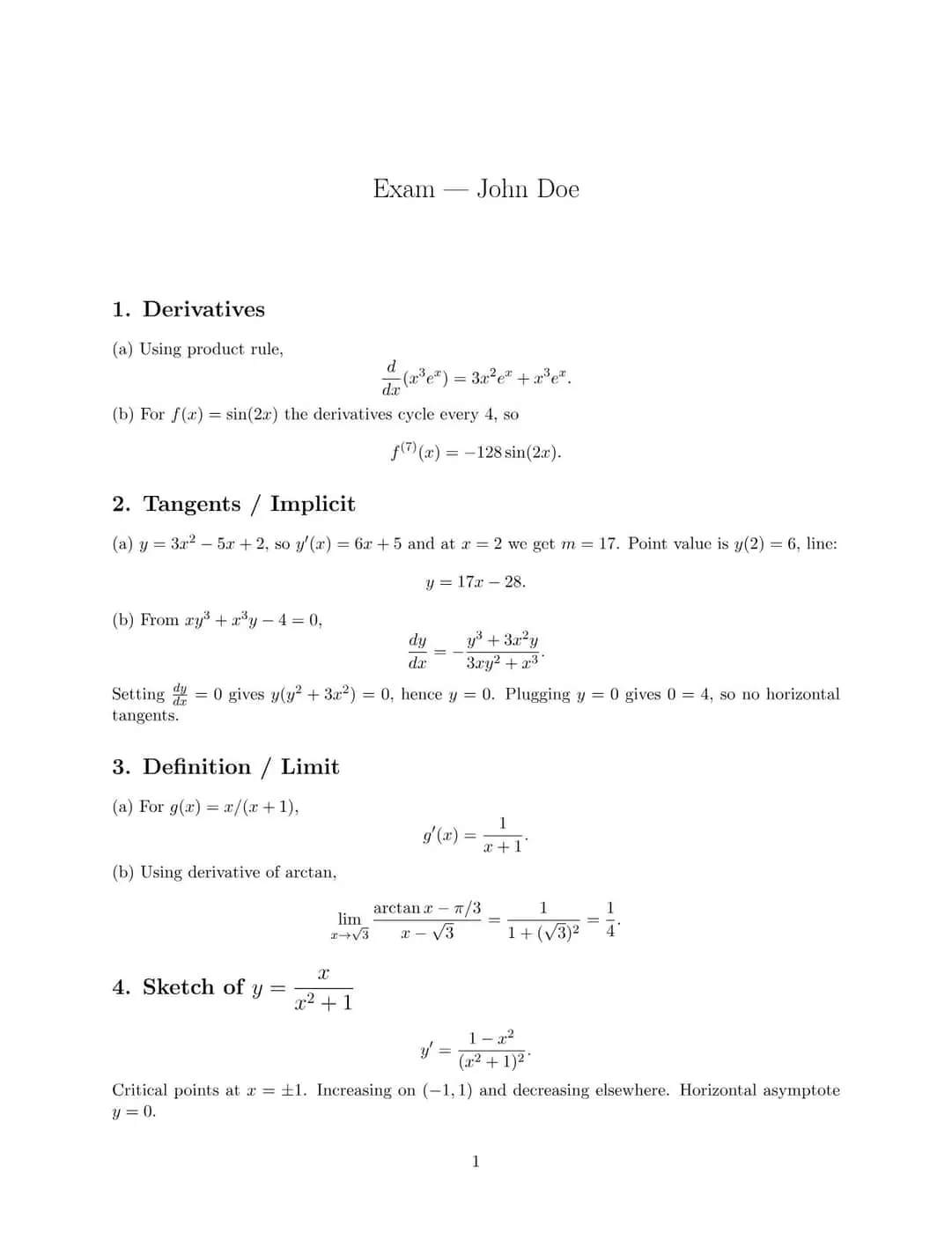
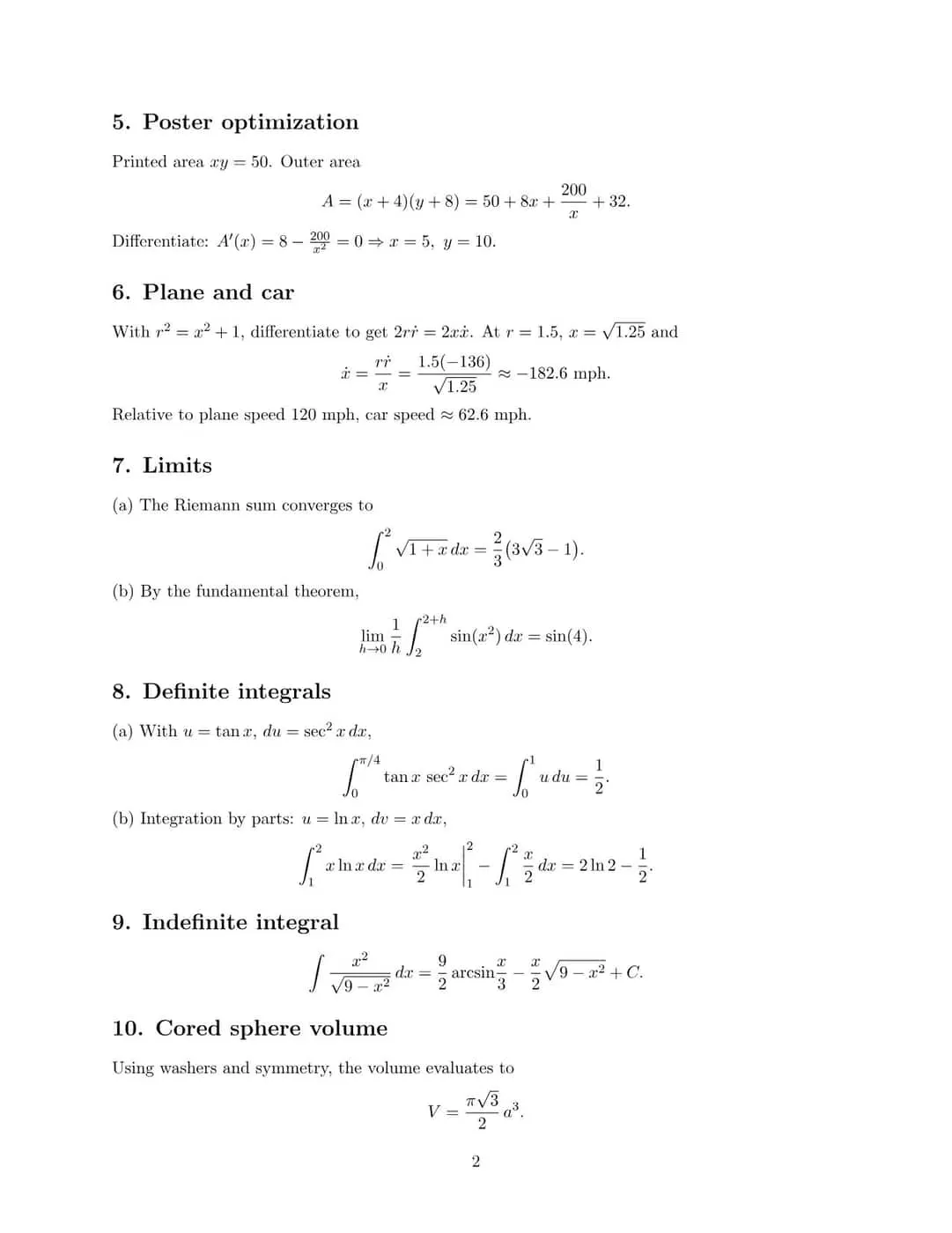
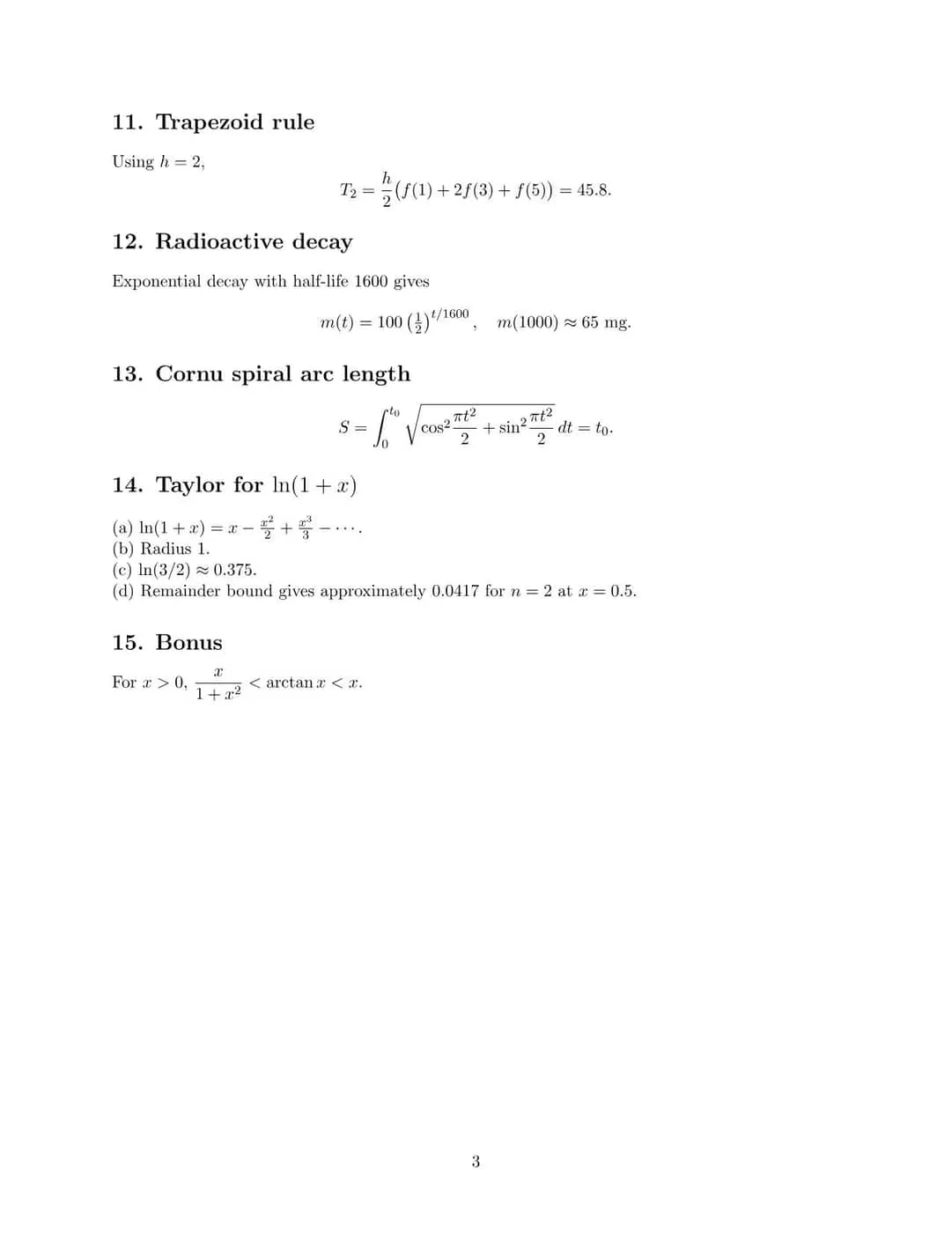
1
Compute derivatives
Compute the following derivatives:
Derivative
Seventh derivative
Where this works best
- Chemistry lab reports: titrations, stoichiometry labs, kinetics, and equilibrium writeups.
- Biology labs: microscopy reports, genetics analysis, and experiment writeups.
- Physics labs: measurement uncertainty, graph fitting, and model-based conclusions.
- Higher-ed courses with many TAs, where every report should be graded against the same criteria.
What you get
A draft for every report and clearer feedback, with the teacher in charge.
- Start each report from suggested points per criterion, with the evidence marked on the page.
- Apply the same criteria across graders and sections.
- Give students section-specific feedback they can apply on the next report.
Typical lab grading workflow
- 1Upload reports as PDFs, images or scanned handwriting.
- 2AI segments report sections and reads tables, equations, and narrative responses.
- 3Rubric-aligned scores and comments are proposed for each criterion.
- 4Instructor or TA reviews and edits any suggested scores/comments.
- 5Download a feedback PDF for each student and export points per question to a spreadsheet.
Formats and export
Results come out as files you can share with students and import elsewhere.
- No LMS integration yet: download the feedback PDFs and export the points to a spreadsheet.
- Accepts PDFs and images (JPEG, PNG, WebP), including scanned handwriting. Save Word files as PDF first.
- Export points per question to a spreadsheet and download each student’s feedback as a PDF.
Privacy and grading control
Lab report grading often affects major assessments. Instructor control stays central.
- No score is final until a teacher or TA has reviewed and approved it.
- Rubric criteria remain defined by your course team.
- Data is stored in the EU. AI providers keep nothing and never train on student work.
FAQ
Can it grade handwritten lab reports?
Yes. Graidable can process scanned handwritten submissions as well as typed reports.
Does it handle data tables and calculations?
Yes. It evaluates calculation logic, units, and interpretation against rubric criteria.
Can we score method, analysis, and conclusion separately?
Yes. Rubric criteria can be applied per section to keep grading transparent and consistent.
How does partial credit work for lab reports?
Scores are proposed at criterion level, so students can receive credit for strong sections even when specific errors occur.
Can instructors override AI suggestions?
Yes. You can change every suggested score and comment, and nothing is final until you approve it.
Does this work for chemistry labs specifically?
Yes. It can grade titration reports, stoichiometry labs, equilibrium analyses and similar work.
Can we export the results?
Yes, to a spreadsheet with each student’s points per question, and each student’s feedback downloads as a PDF. There is no LMS integration yet.
Is student data used to train models?
No. Student work is never used to train AI models, and the AI providers keep nothing. Details are in the privacy policy.
Try AI lab report grading on your next assignment
Try the demo, then try Graidable free or ask for a pilot for your school or department.
Related workflows: AI math grading and AI chemistry grading.
Want a deeper breakdown? Read the AI lab report grader comparison.